Artists
Accomplices
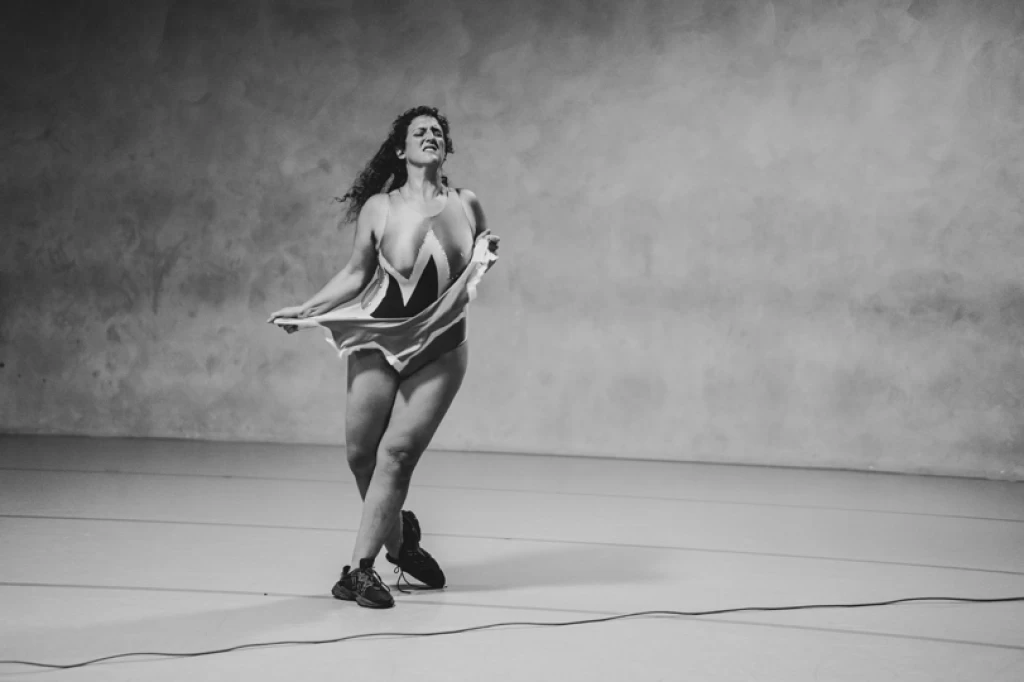
Below the Skin, founded in 2019 by Aly Khamees and Jelena Mair, is a dance company dedicated to transcultural exploration. Their productions shed light on the challenges of our time and celebrate the commonalities of humanity. Beyond entertainment, they aim to inspire dialogue, reflect on social issues and promote a deeper understanding of the environment. They transcend cultural and artistic boundaries, encourage co-creation and create performances that connect art and society. As accomplices of Tanzhaus Zürich, the company refines their techniques in open workshops and makes them accessible to a wide audience.
 © Maria Cheilopoulou
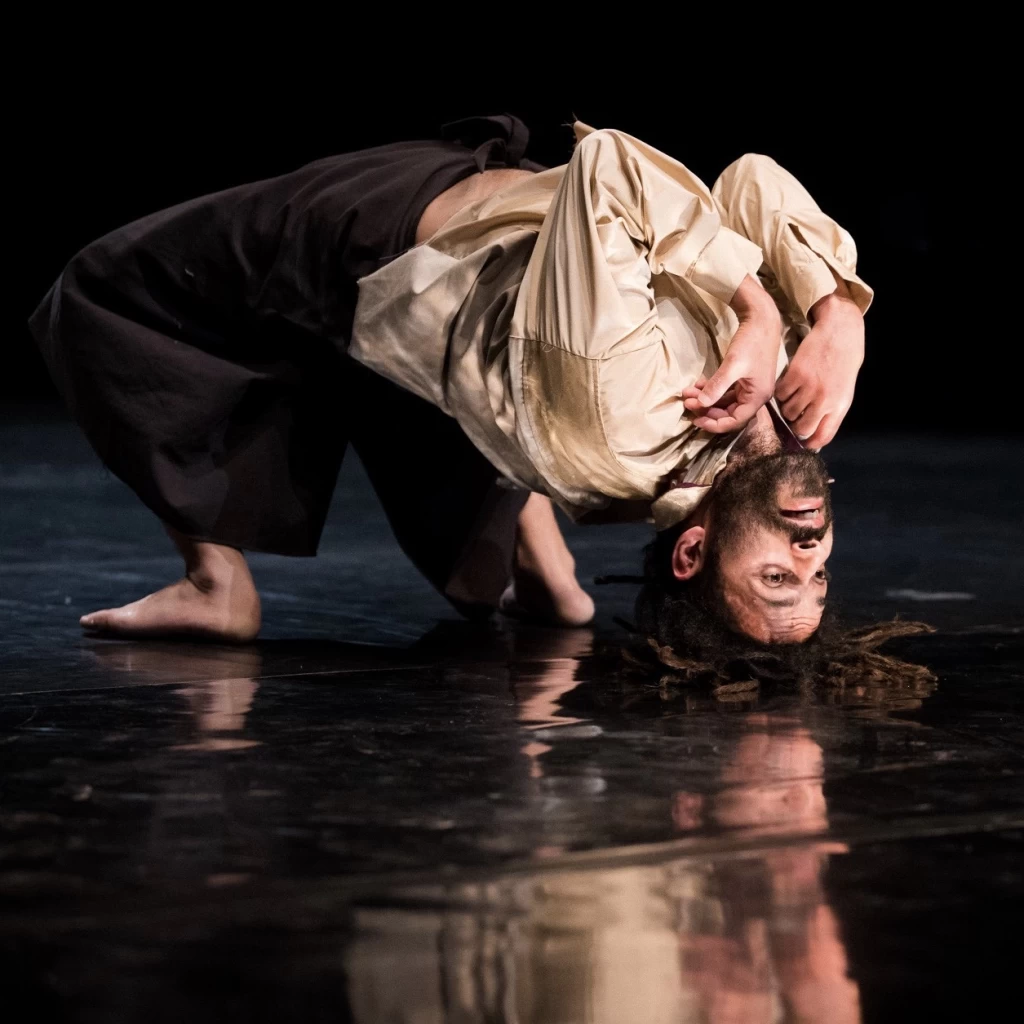
 Muhammed Kaltuk founded Company MEK in 2017 to provide a strong framework for his art and creativity. The company develops productions that blend Hip-Hop and contemporary dance, cultural, and dance traditions. MEK stands for diversity and has a clear activist as well as artistic voice. Their movement language is strong, powerful, and unique.
FATHER POLITICS – in collaboration with Kaserne Basel and the COLOURS International Dance Festival Stuttgart – explores the powerlessness of politics and is currently on a national and international tour. Kaltuk makes clear statements on issues that concern him and society, addressing themes such as “Toxic Masculinity” at Theater St. Gallen, “Origin” at Luzerner Theater, and “Territories” at Theater Basel.
Choreographer Muhammed Kaltuk was born and raised in Switzerland in a conservative Turkish family. As an effort to break out of his upbringing, Kaltuk made a name for himself in the Swiss Hip Hop scene. At the age of 22 he had his first production experience at a theater and recognized it as a possibility to find his own voice, as a way to artistically deal with the world. At the age of 25 he started his dance education at the “Höhere Fachschule für Zeitgenössischen und Urbanen Bühnentanz” in Zurich. His goal was to further develop his movement from his background in Hip Hop, but also to get to know and use other dance qualities and styles. That is where he discovered his passion for composing and creating material from the movement repertoire of the dancers he works with, expanding the boundaries of these dancers and intertwining it with his own style and aesthetic ideas of dance. This has become his signature way of working as well as the socially critical, political and personal themes in his creations.
 © Muriel Florence Rieben
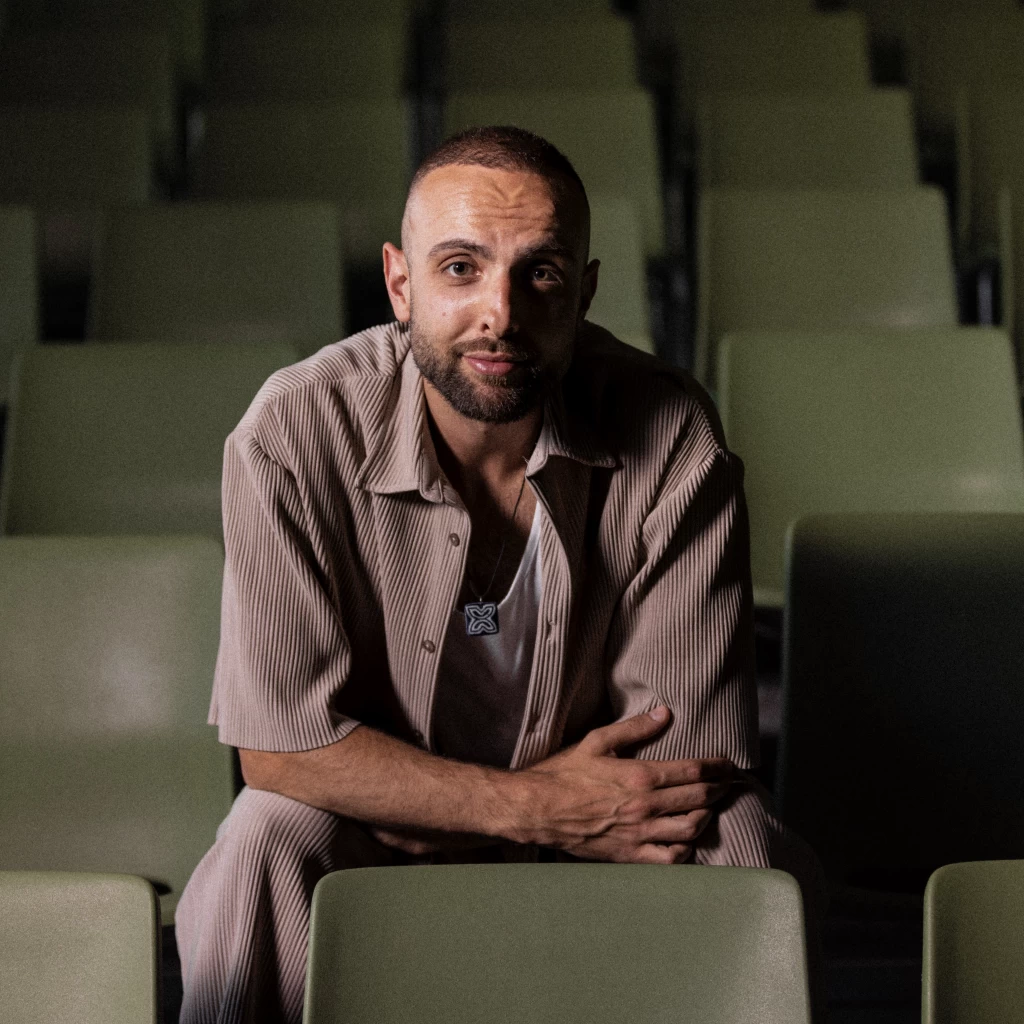
 Cosima Grand is a choreographer and dancer. In her artistic work, Cosima is primarily interested in the empathic potential of dance. In her practice, she explores how body movements and bodily sensations can connect people and create resonance. In her latest choreographic works, she has developed a physical practice based on rocking and trembling movements that incorporates work with the voice.
Cosima completed her dance training at the CNDC d’Angers and was a member of the Cie Marchepied in Lausanne. She completed a bachelor’s degree in multilingual communication at the University of Geneva. She studied theater studies and sociolinguistics at the University of Bern. Cosima collaborates and performs with Ruth Childs, Aina Alegre, Simone Truong, Chris Leuenberger, Jessica Huber, and others.
Her own choreographic work includes the pieces CTRL-V(EP) (2nd prize PREMIO 2015), CTRL-V (LP) (2016), Hitchhiking through Winterland (2018), Restless Beings (2020), and things veer (2023). In 2015, she received the Culture Promotion Award from the Canton of Valais and in 2020 a Cultural Award from the City of Zurich. Cosima is an accomplice at Tanzhaus Zurich.
 © Phil Bucher
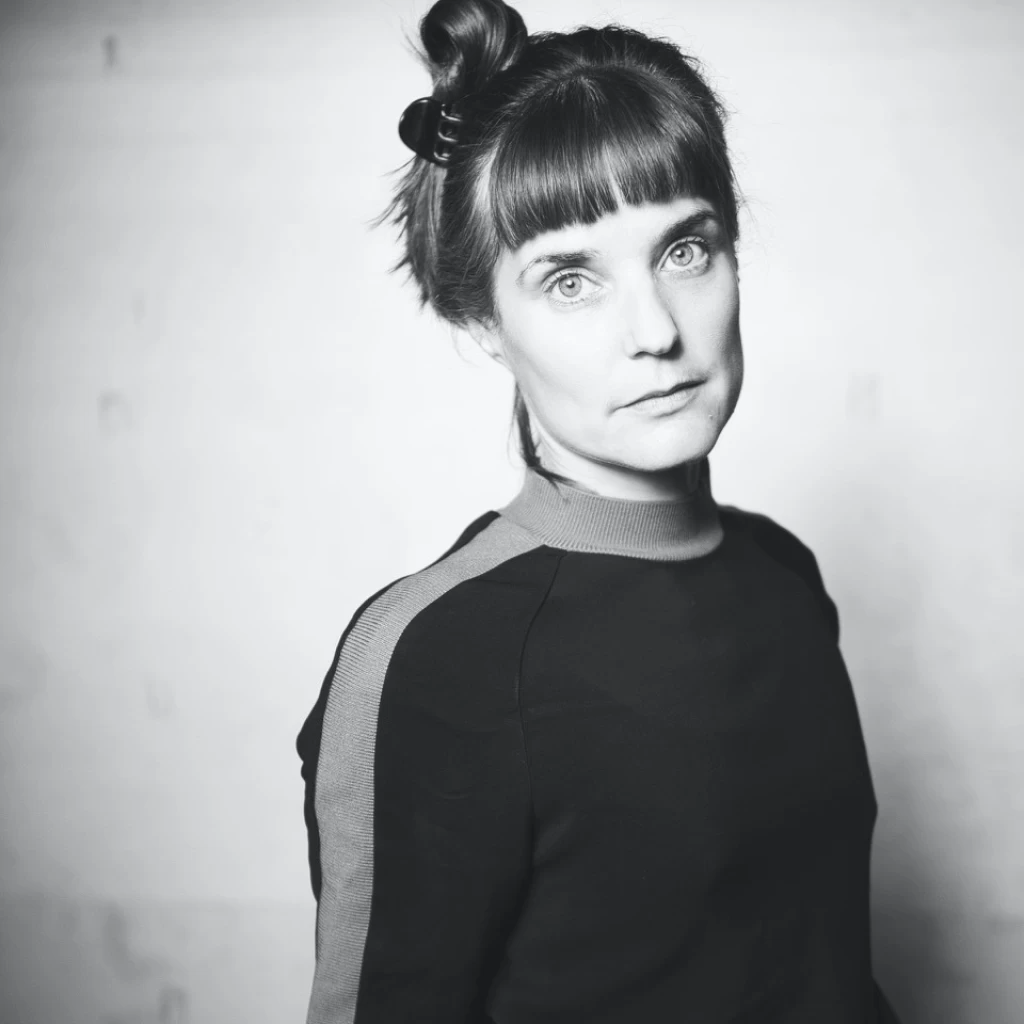
 Criptonite is a crip-queer theatre project founded in 2020 by Zurich-based artists Edwin Ramirez and Nina Mühlemann. Criptonite’s pieces work with Aesthetics of Access, placing the perceptual styles and experiences of disabled people at their centre. Criptonite’s most recent work, Bioluminescence, premiered at Tanzhaus Zürich in summer 2025, and the piece Pleasure has toured internationally. Alongside stage works, Criptonite also organises community events such as labs, workshops and more. Criptonite received Zurich’s multi-year concept funding for 2024–2027.
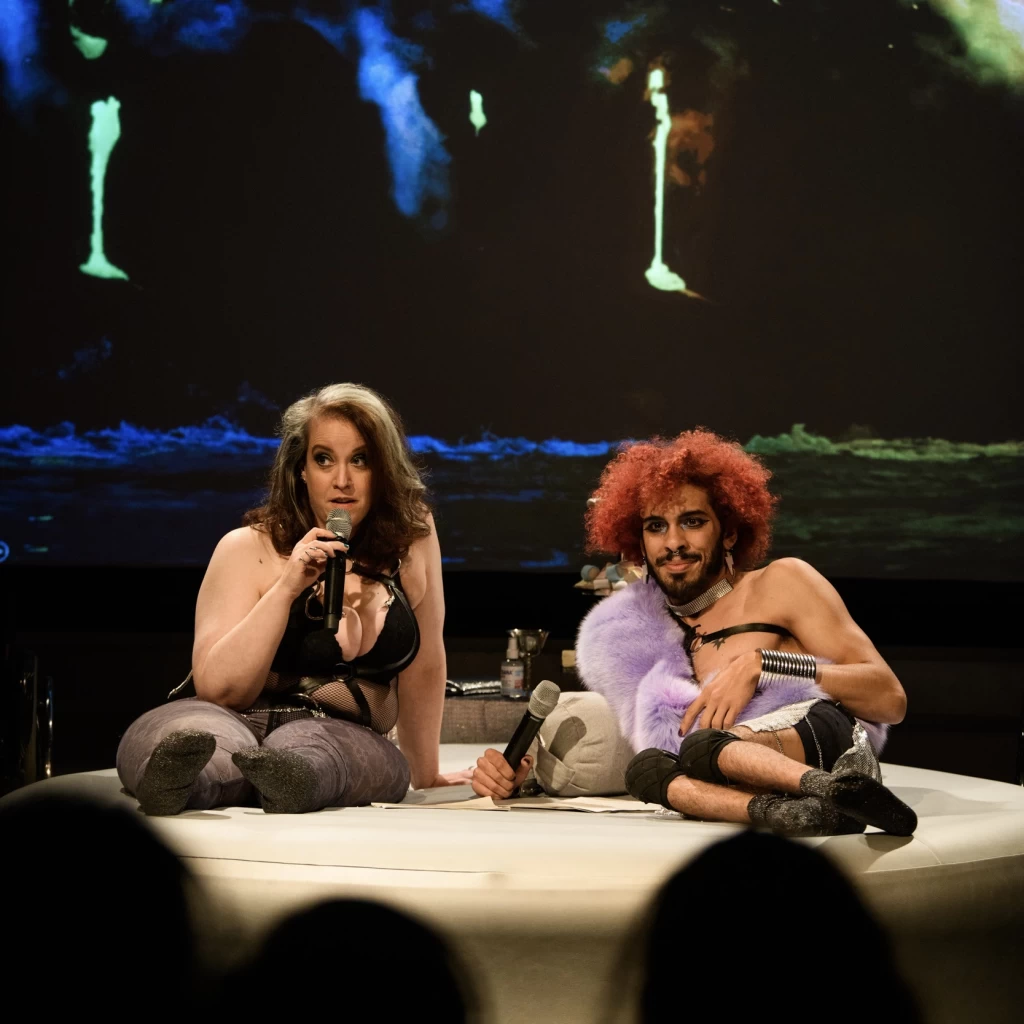 © Jean-Marc Thurmes
 Kwangsuk “Issue” Park is a choreographer and performer from South Korea, based in Zurich. He is the artistic director of the collective eight2one. As an Accomplice at Tanzhaus Zürich, he develops pieces that combine breaking, contemporary dance, humour and play. Most recently, he worked with Kaori Ito at TJP–CDN Strasbourg, with James Thierrée, and with Below the Skin, among others. In his work, he explores how people participate, how cultural identity is formed, and what connects us. He is currently developing the family production Das Schwingfest.
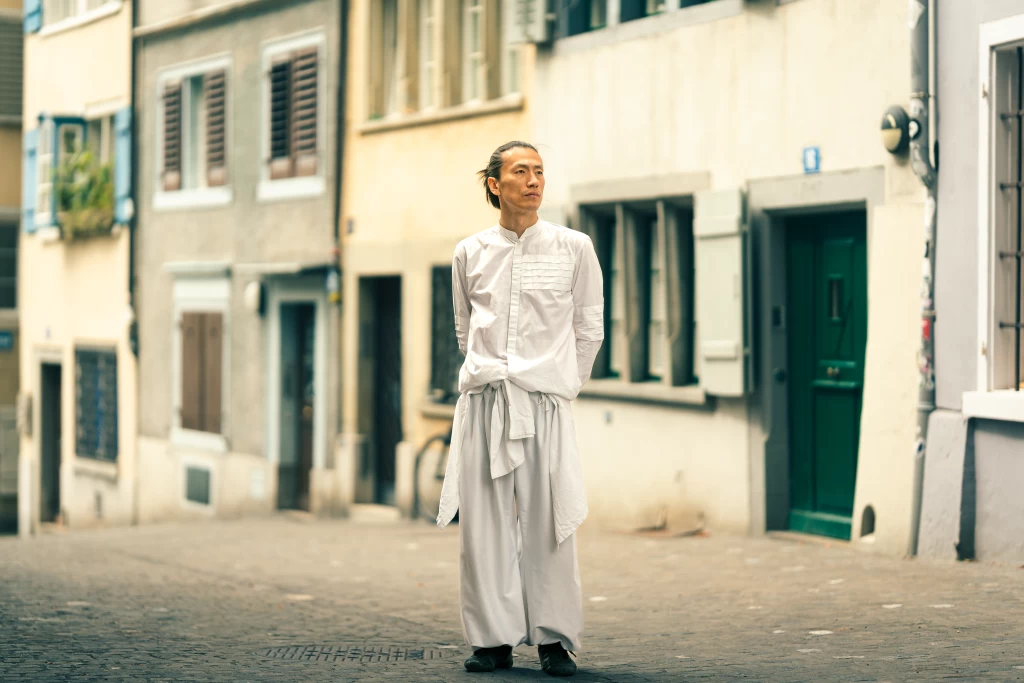 © Louni
 Eman Hussein is an Egyptian dancer, choreographer and dance filmmaker based in Zurich. Eman Hussein studied dance, street art, theatre and martial arts. Her work explores the relationship between labour and contemporary dance, drawing from the physical knowledge embedded in everyday work. Eman Hussein collaborates closely with workers, often spending extended periods in workshops, garages and construction sites to observe their relationship to tools, materials and space. This embodied research forms the foundation of a movement language that transforms gestures of labour into contemporary performance.
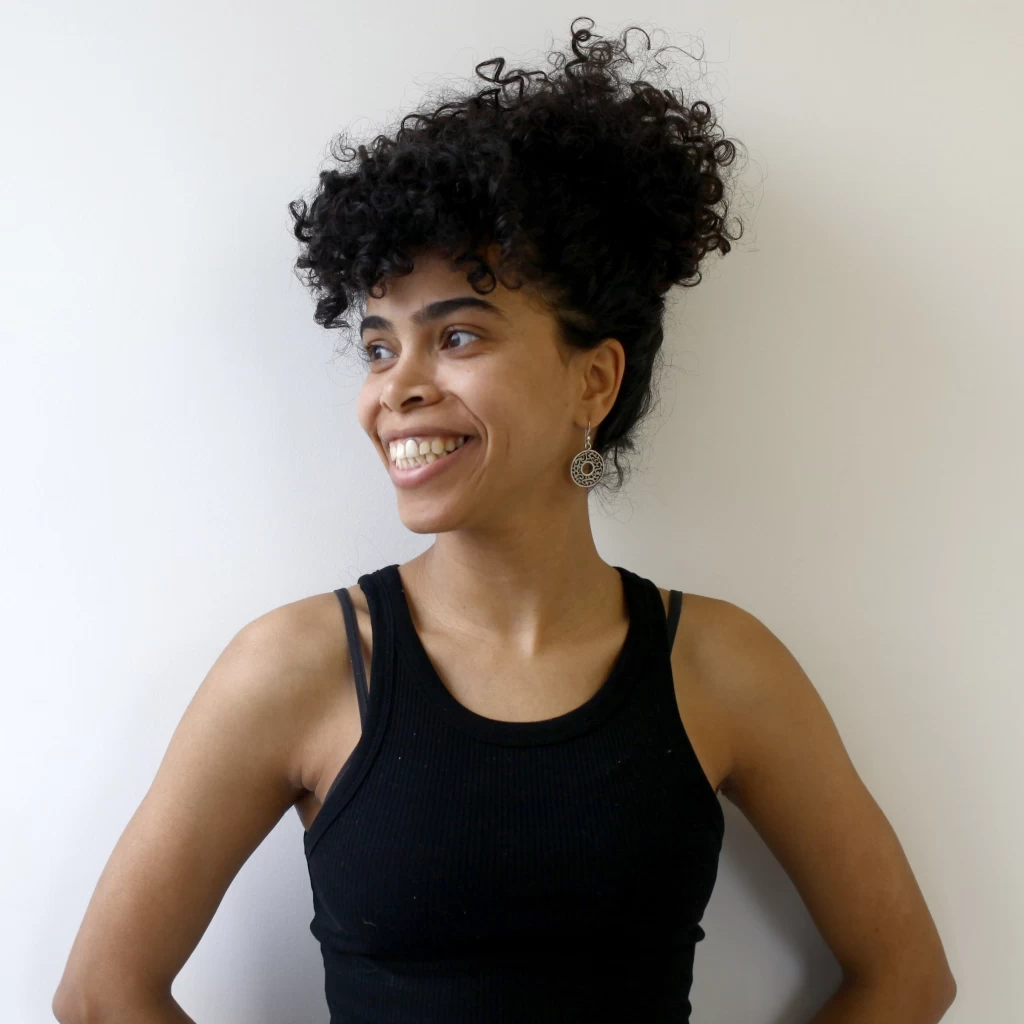 © Nooshin Shafiee
 Eugénie Rebetez (*1984) grew up in the Swiss Jura. She has been working as a freelance stage artist for over 15 years. She has created four solo pieces to date: Gina (2010), Encore (2013), Bienvenue (2017) and Ha ha ha (2021), a play for young audiences, which was interpreted by Tarek Halaby. For La Fête des Vignerons in Vevey, she created Le défilé droit direct du Jura (2019), a rebellious parade. Other works include Nous trois (2019), an infernal trio, and Rendez-vous (2022), a piece with several guests. Carmen Jaquier made a film version of Rendez-vous for French-speaking Swiss television RTS. Parallel to her stage works, Eugénie Rebetez creates performances at art venues, including One night only (Kunst Halle St. Gallen, 2014), Unfertig (Hauser & Wirth Zurich, 2015) as well as Flesh, Heart and Soul and Geduld (for the exhibitions by Pipilotti Rist at Kunst Halle Krems 2015 and Kunsthaus Zurich 2016). For almost a decade, she has worked annually with students on the Bachelor of Dance programme at La Manufacture (Haute Ecole des Arts de la Scène) in Lausanne. From 2024 to 2027, Eugénie Rebetez will be continuously supported within the framework of concept funding, the new funding model of the City of Zurich Culture, and has also been a Tanzhaus accomplice since then. Her solo piece Comeback is planned for spring 2025.
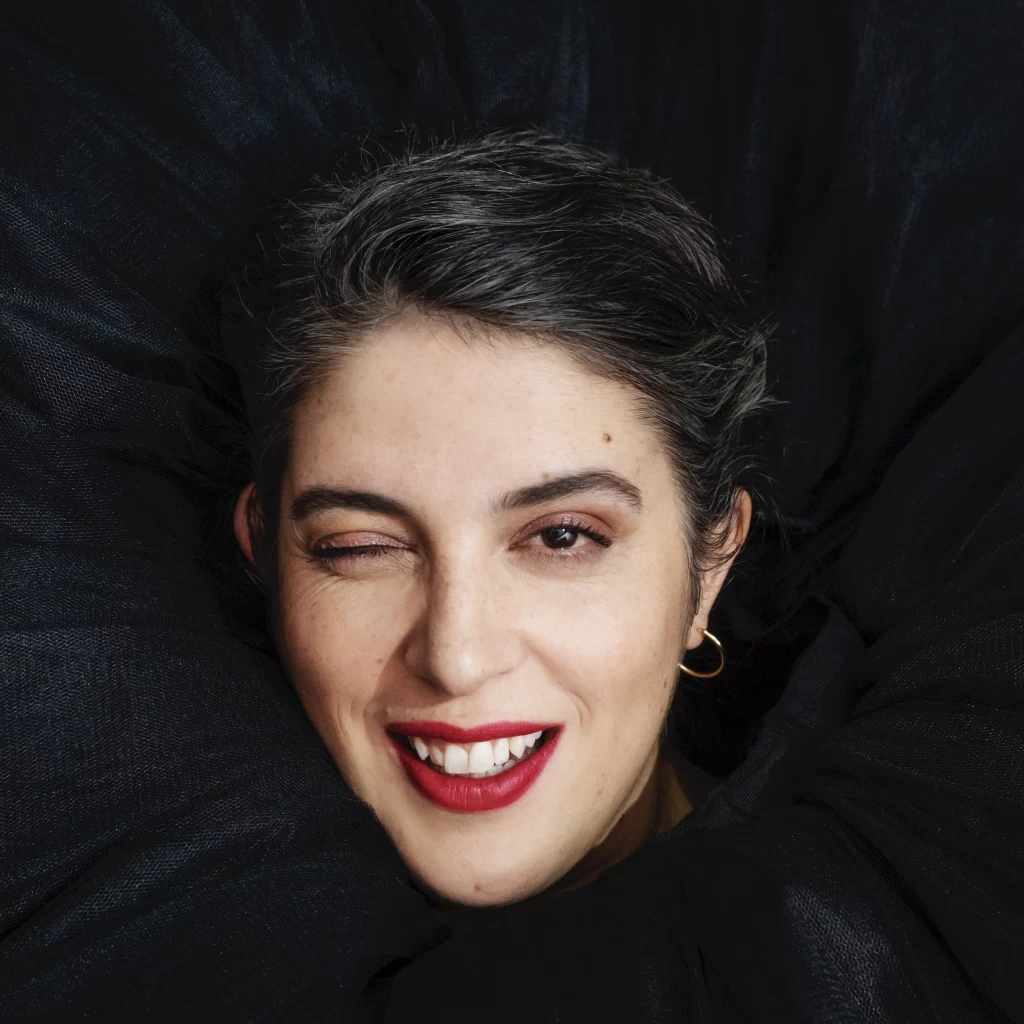 © Anne Morgenstern
 Ivy is a developer of practices and performative roles in dance, music, and visual Arts. They are a natural shapeshifter, re-imagining and re-conceptualizing femininity, gender, social and race expectations through (dis)identification. Furthermore, ancestrality and spirituality are reshaped and envisioned in queer futuristic pieces featuring the artist as the protagonist most of the time. Ivy is also know as Mother Tropikahl Ivy B. Poderosa, producing events focused on an immigrant QTIBPOC public in Switzerland. Their work has been presented in the Museu da Imagem e do Som de São Paulo, Queer Bienial II in Los Angeles, Les Urbaines in Lausanne, Eco Futures Festival in London and at the opening ceremony for the Swiss Pavilion at the Venice Biennale 2019.
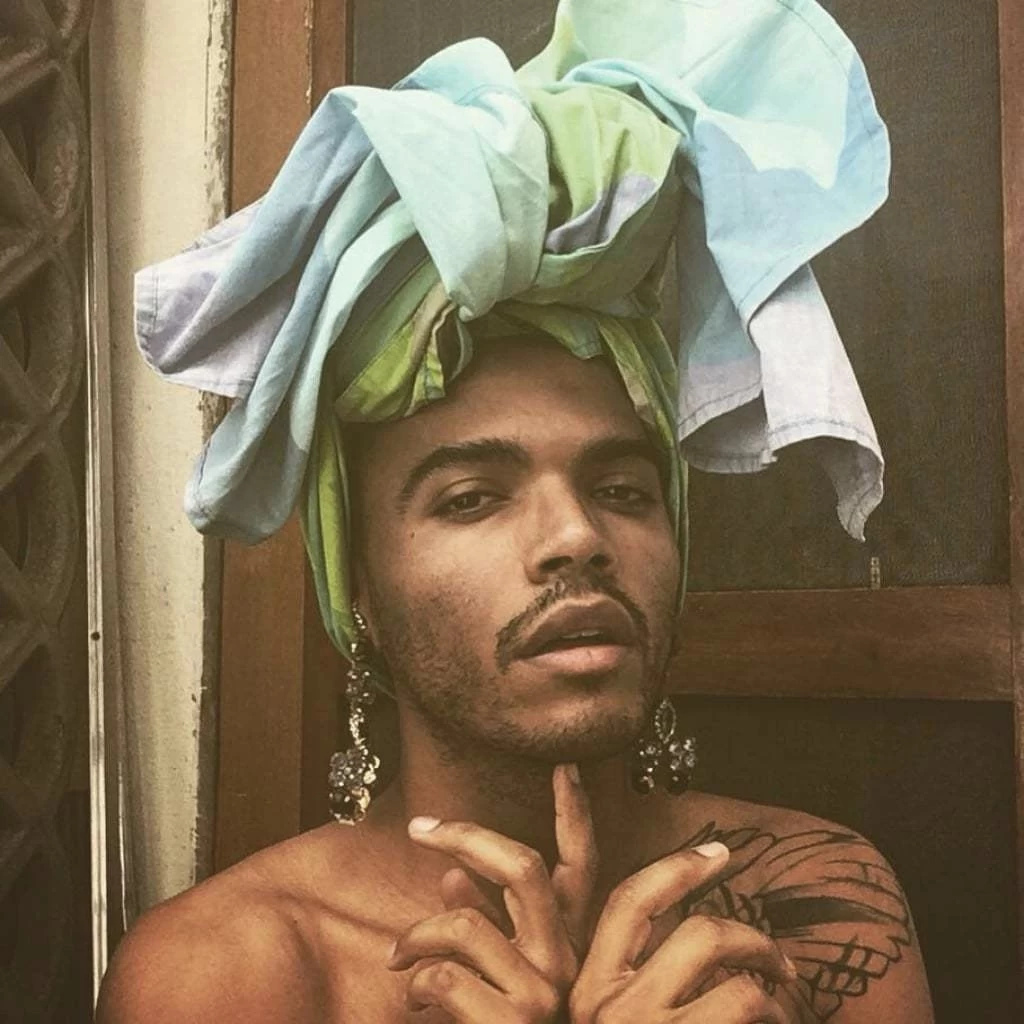
Jamuna Mirjam Zweifel worked with the Zurich-based collective The Field from 2019 to 2023, developing short pieces and experimental formats that were performed internationally. She has performed in works by Meg Stuart, Isabel Lewis and Simone Aughterlony, amongst others. In addition to solo pieces, she developed her first full-length production, Holes, in 2024 (premiere at Theater am Gleis, Winterthur). She founded Zookunft.Project (2020–2025) and has received several funding awards, including from the cantons of Solothurn and Zurich. Jamuna lives in Zurich, works internationally and is committed to community initiatives within the dance scene.
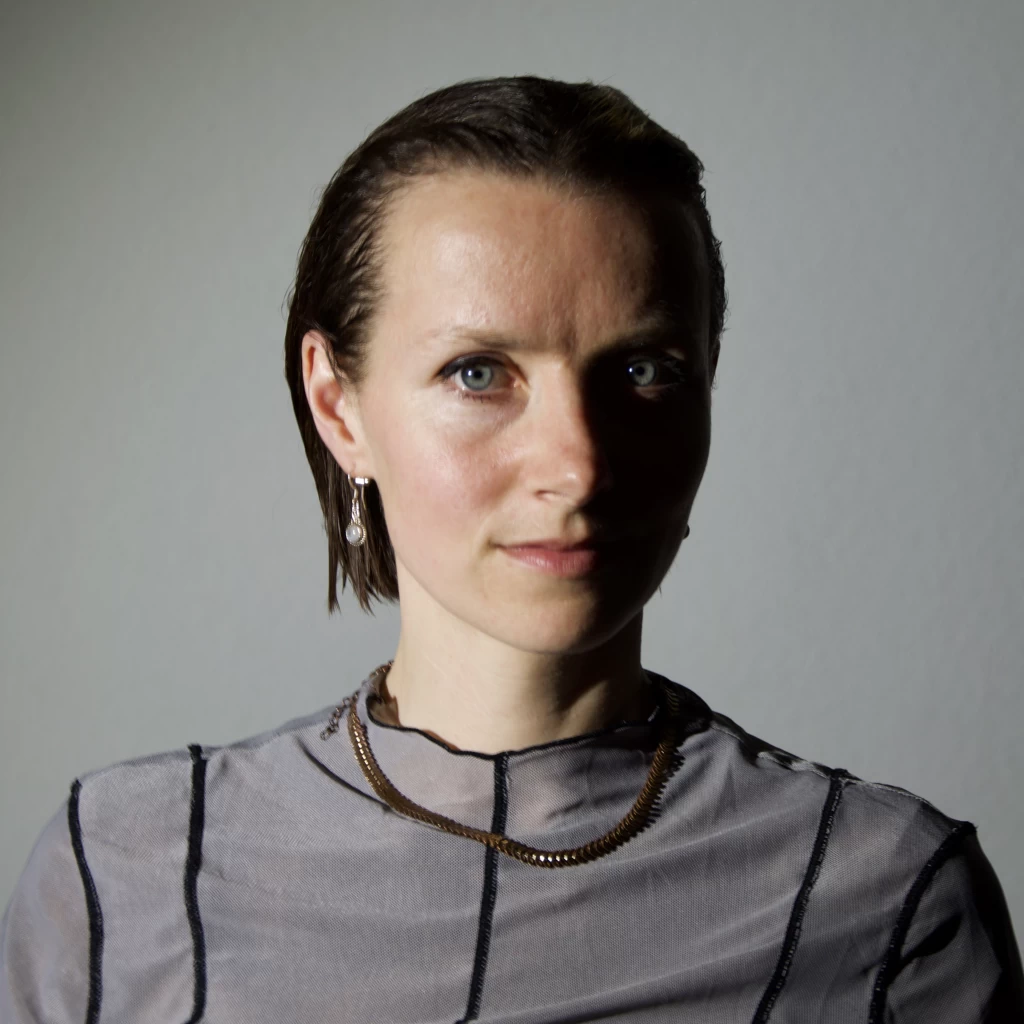 © Ivan Minichiello
 Joseph Baan is an artist and educator. Their practice engages in art, education and collaboration as ways to forge creative survival. They’re interested in the complexity of collectivity and in the possibility of establishing a solidarity that does not homogenise, but affirms difference. They make performances, installations, texts, group works, collaborative formats, and scores that aim to unpack the problem of relating, shifting roles and readings of power and control in relation to affect and reciprocity.
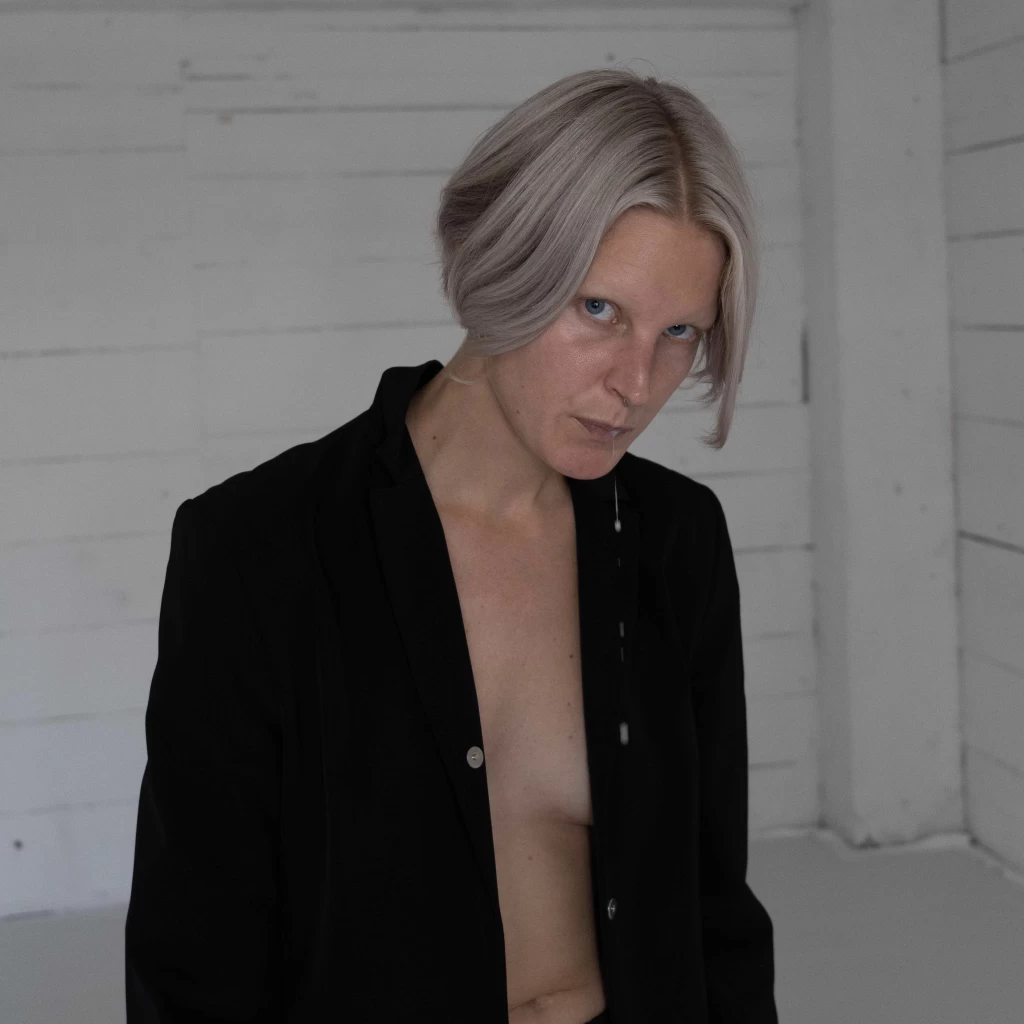 © Nils Amadeus Lange
 Kollektiv dance me to the end is a collective of eight long-standing professionals in the dance field, including dancers, choreographers, dance educators, dance scholars, body therapists, and cultural policy engaged dance creators from various dance aesthetic practices and backgrounds. What unites them is a great curiosity, an open research attitude, and a willingness to take risks thanks to their many years of experiential knowledge. The collective came together in 2023 for an initial joint research phase on the topic of “Dance and Aging.” Through their artistic work, they question concepts of the body and dance, advocate for age diversity in dance, seek to transfer knowledge to other societal areas, and create an intergenerational exchange of experiences. Together with experts from the fields of architecture, research and business, formats are being developed that combine performative, dialogue and mediating aspects in new ways.
The collective dance me to the end pioneers important work in Switzerland to increase the visibility of professional dance creators aged 60 and above, to strengthen the awareness and acceptance of aging dancing bodies on stage and in public spaces, and fundamentally to empower a curious, joyful aging process.
Kollektiv dance me to the end consists of: Angelika Ächter, Jeanette Engler, Gisa Frank, Anna Huber, Tina Mantel, Angela Stöcklin, Katharina Vogel, and Ivan Wolfe.
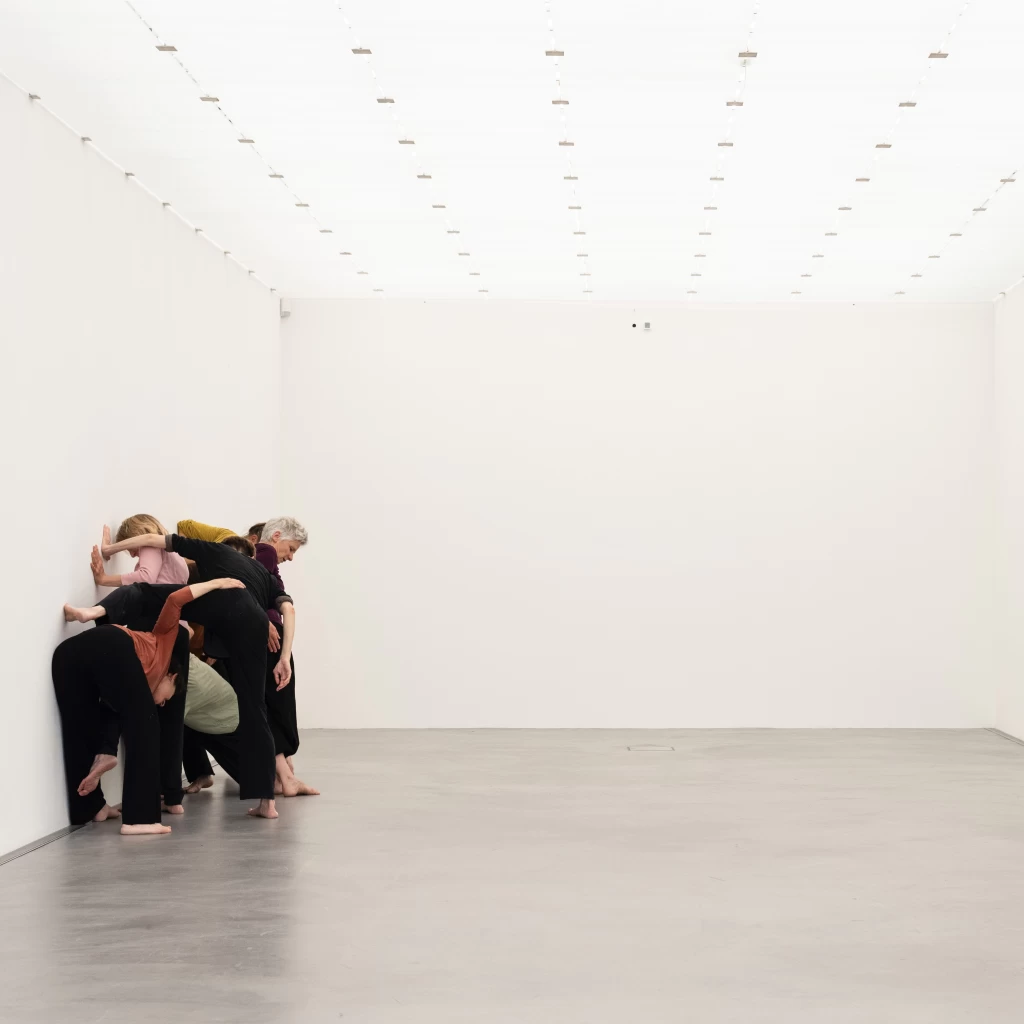 © Martin Benz
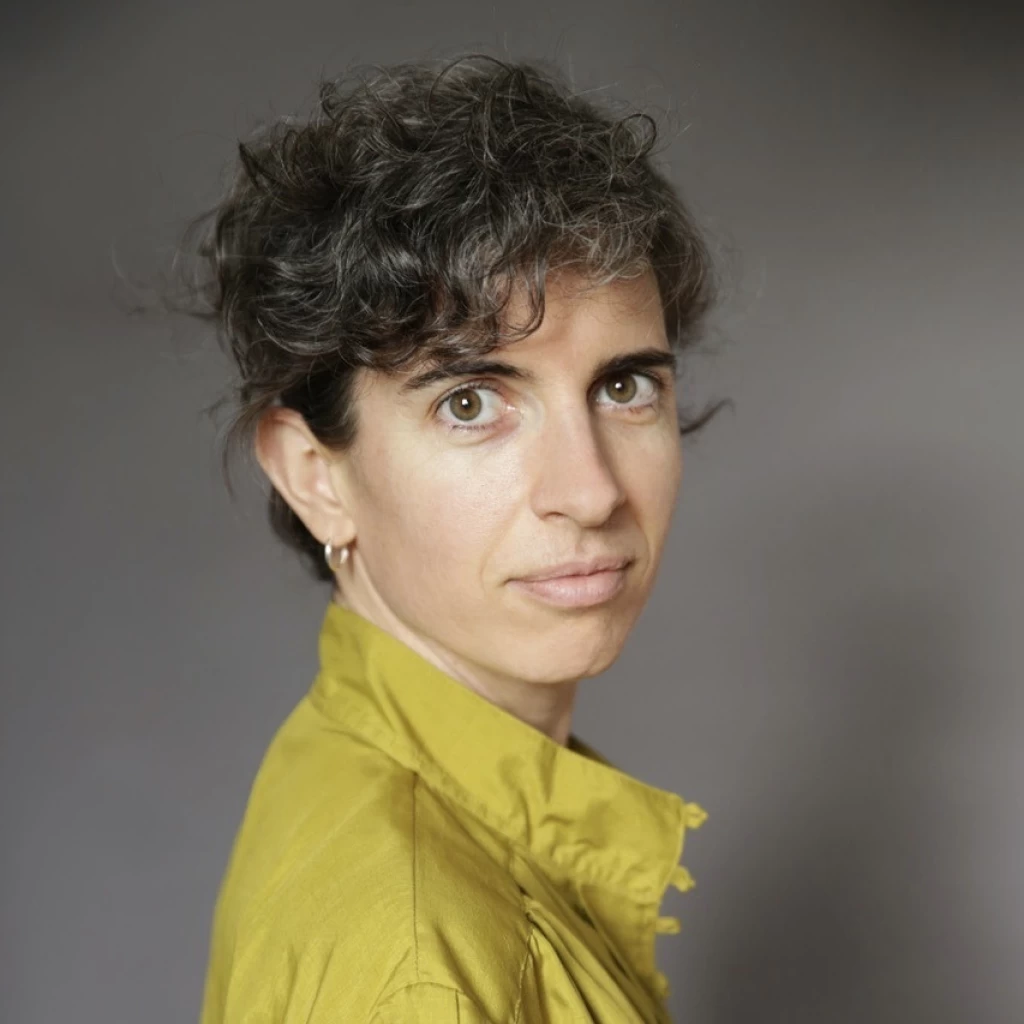
 Lea Moro works as a choreographer, curator and dramaturg. Her focus lies on interdisciplinary and inclusive approaches that connect artistic and social processes, as well as on sustainable practices and cultural accessibility. She has received international recognition for her choreographic work. In 2020, she founded the Work it Out platform, which is dedicated to the redistribution of resources and co-creative formats. Moro works in dramaturgy at Tanzhaus Zürich, was programme dramaturg at Kaserne Basel and programme manager for culture at the SDC. She is a board member of the Thurgau Cantonal Cultural Foundation and artistic director of the wildwuchs festival Basel.
 © Dorothea Tuch
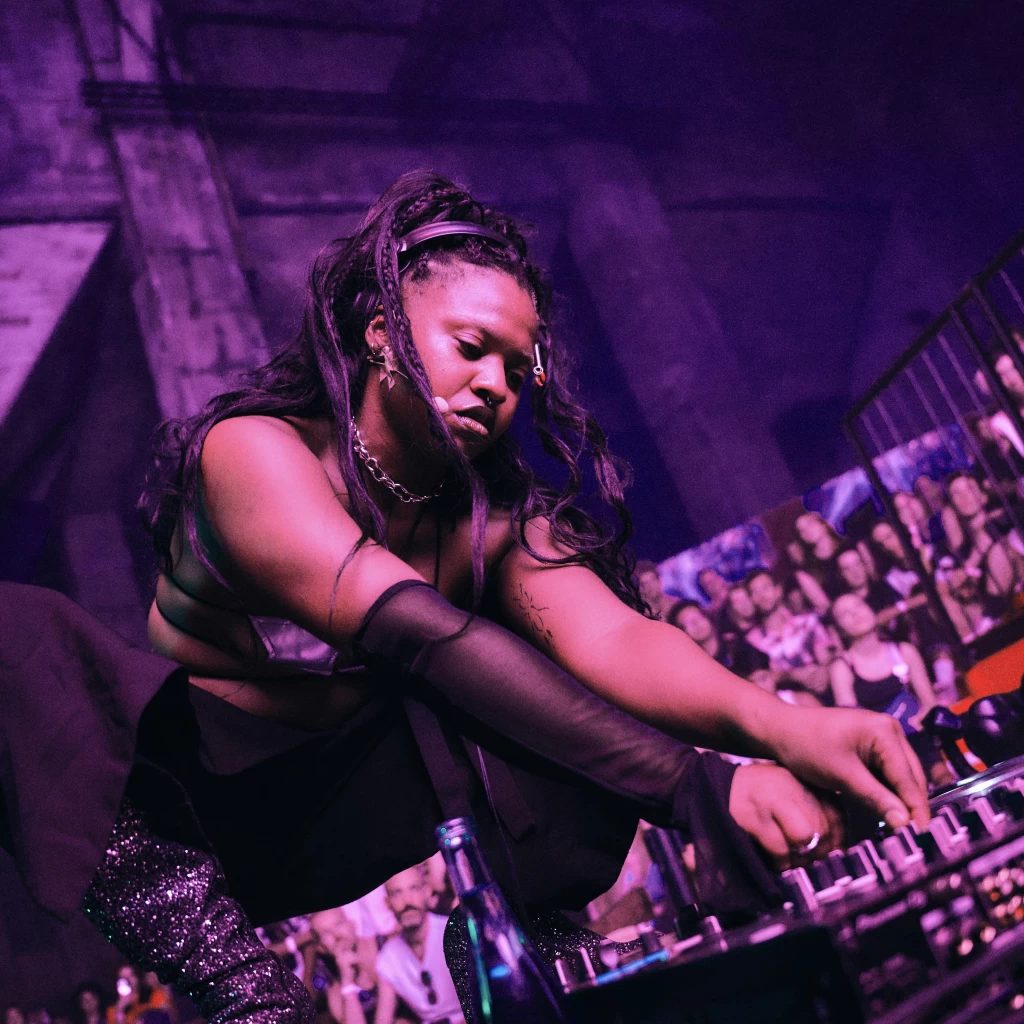
 New Kyd (they/she) is a movement artist, DJ and sound artist based in Zürich. Born in the UK to Nigerian parents, Kyd’s practice has developed at the intersection of diasporic identity, ritual and experimental dance performance art. They hold a BA in Dance from the University of Roehampton; they examine / practice dance through a historical (social) lens and somatic movement practices.
Kyd’s artistic practice blends movement, sound and abstract storytelling through a hauntologist perspective. Their practice is rooted in modern, post-modern and somatically driven forms. Their work draws from tracing Yoruba cosmologies through contemporary muses, ritualised performances and postmodern dance philosophical thinking. Kyd approaches performance as a site of transmission. Through repetition, sonic experimentation and embodied research; ritual, memory and resistance/persistence are explored within contemporary performance contexts.
Their work explores themes of urban isolation, invisibility, opulence, desirability and spectral resistance within contemporary city life. They find stories, voices and muses which are drawn from dance history, supernatural stories, popular culture and ritual practice to create a fragmented yet intimate choreographic and sonic landscape. Their work sits at the intersection of postmodern dance, ritual and diasporic embodiment. Kyd confronts Western narratives of independence and visibility while addressing dance as a structural and political condition.
Schaupielhaus Zurich ensemble (2018 – 2020), Trajal Harrells, Zurich dance ensemble (2019 – present) and a resident accomplice artist at Tanzhaus Zürich from 2020. Their collaborations include artists such as Ligia Lewis, Wu Tsang, Paul Maheke, Jeremy Nedd, Akram Khan, Kandis Williams and Tiran Willemse. Kyd has presented at institutions including: Tanzhaus Zürich, Gessneralle, Berghain Halle (Berlin), Movement Research at the Judson Church (NYC), Cabaret Voltaire (ZH) and Museum Rietberg (ZH).
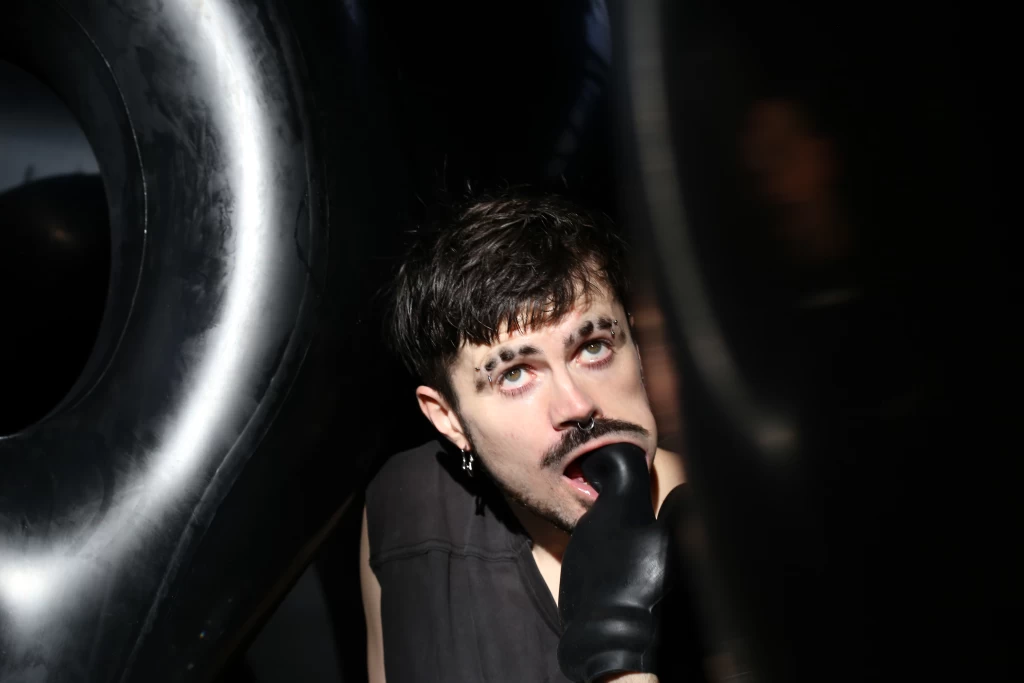
P. Piton is a choreographer and performer based between Stockholm and Zürich. P. Piton’s training led to the Conservatoire National de Paris, La Manufacture Lausanne, and Stockholm University of the Arts. Since 2019, P. Piton has worked within the collective The Field – a space for non-hierarchical, collaborative choreography that invites guest choreographers such as Simone Aughterlony, Ofelia Jarl Ortega, Isabel Lewis, and Meg Stuart into dialogue. Together with Romane Peytavin, P. Piton also co-founded La PP, developing works built on playful, instantly composed settings, including Dédicace and Farewell Body. In 2022, the joint project Snakes & Stones presented the performance Open/Closed at La Bâtie Geneva, Tanzmesse Düsseldorf, June Events Paris, and the Swiss Dance Days, among others. In their choreographic work, P. Piton explores improvisation as a form of composition and approaches dance through its ecstatic, sensory power.
 © Nadja Voorham
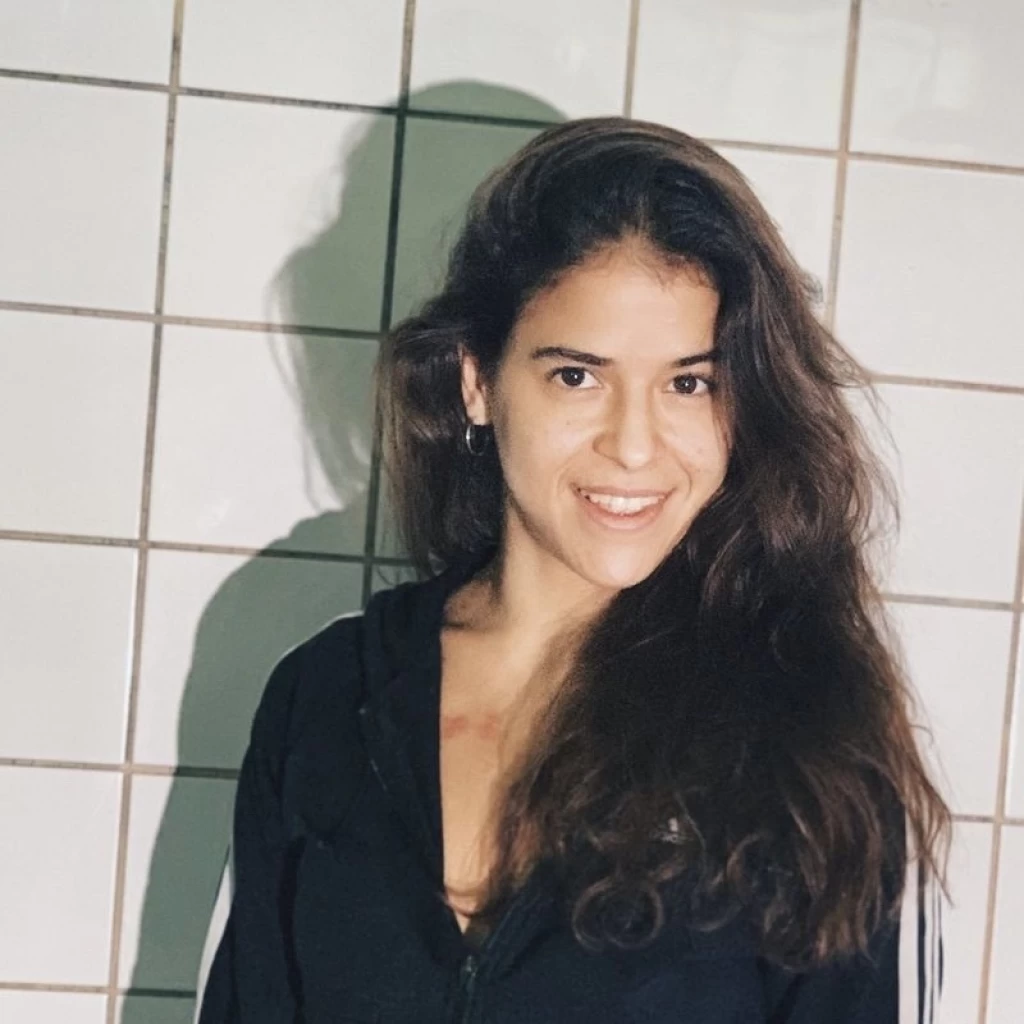
 Soraya Leila Emery is a Swiss-Moroccan choreographer based in Zurich. In 2023/2024, as a TanzPlan Ost Associated Artist, she created her group piece TURN ON. In her current work, Soraya Leila explores themes of desire through an intersectional, decolonial, feminist lens, providing a platform for MENA* dancers. Her current solo Coming Soon, inspired by Ingres’ La Grande Odalisque, questions Orientalist clichés and opens up new spaces for fantasy. In her earlier work, she questioned the preservation and transmission of cultural identity and the representation of the female Arab body. She completed her Master’s in Choreography at ZHdK Zurich in 2024, and graduated as a contemporary dancer from SEAD in 2017 and CFPArts Geneva in 2014.
*MENA = Middle East North Africa
 © A. Peyer
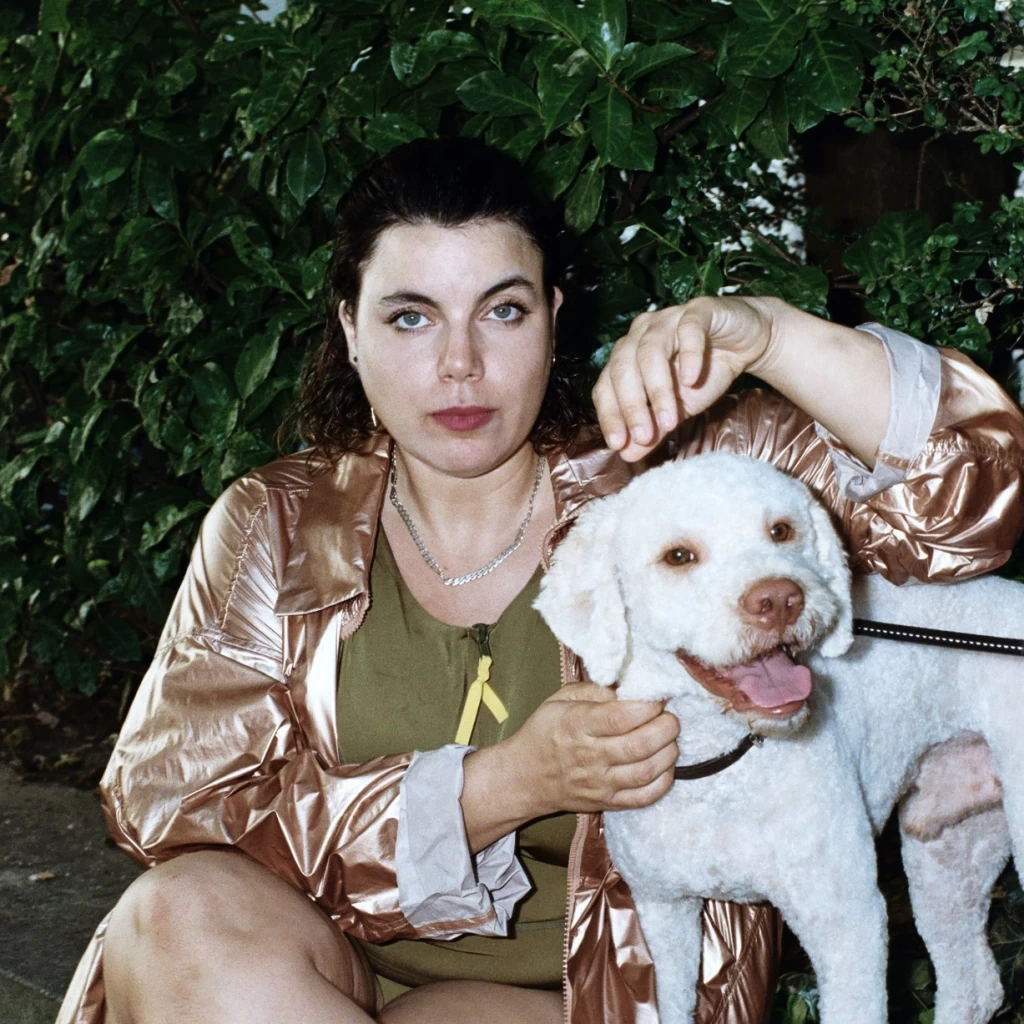
 Teresa Vittucci is a Vienna born artist who is based in Zurich since 2015. Her practice is rooted in the field contemporary dance performance and investigates feminist and queer perspectives on pop culture, history, and religion. Subversive jokes are always part of the process, humour being an essential aspect of her work. Besides her extensive solo work, she also collaborates with other artists including Colin Self, Marilú Mapengo Namoda, Annina Machaz, Simone Aughterlony, Nils A. Lange, Michael Turinsky and Claire V. Sobottke, Melanie Jame Wolf and Theater HORA.
Teresa was awarded the recognition prize by the City of Zurich for her work as an outstanding performer 2018 and the Swiss Dance Prize for the first part of her trilogy HATE ME, TENDER in 2019. In 2022 she created RIDE on invitation by Centre Pompidou and Leopoldine Turbat as a response to the important feminist work of avantgarde artist and filmmaker Ulrike Ottinger. SACRE! – a collaboration with Annina Machaz and Theater HORA – premiered the same year. In fall of 2023 Teresa was invited by Deutsches Theater Berlin to revisit her solo, the result HATE ME, TENDER_revisited is part of the repertoire and regularly performed in Berlin. In March 2024 Teresa will premiere the third work of her trilogy at Tanzhaus Zürich.
 © Flavio Karrer
 Residency guest 26/27
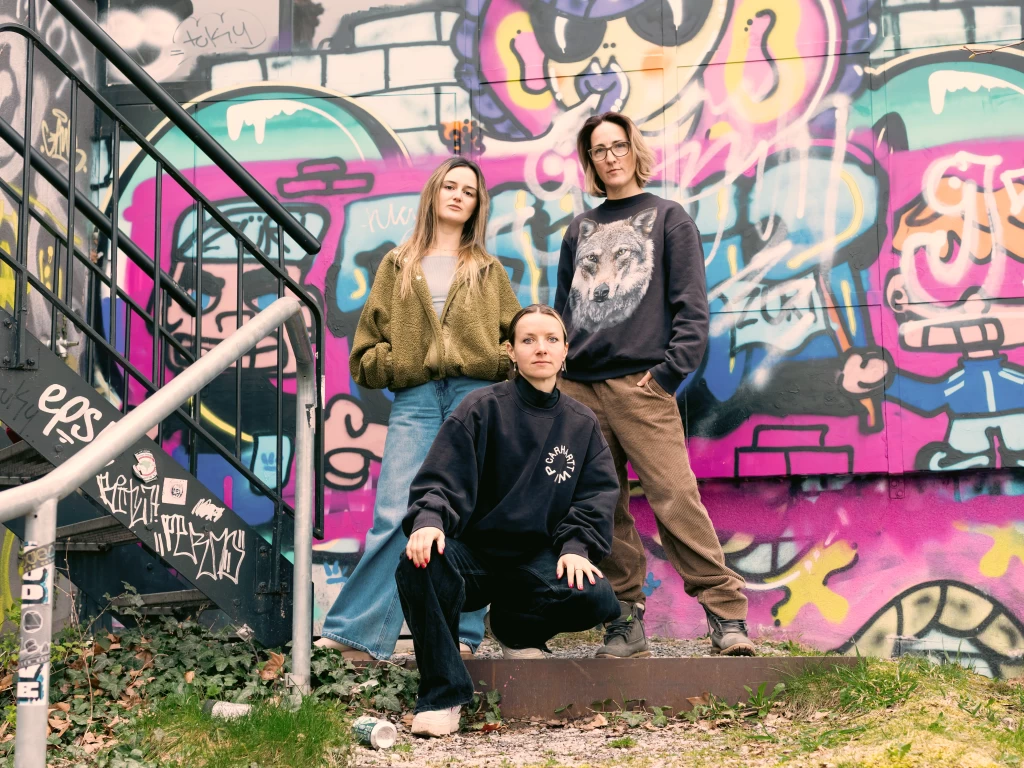
Breakthrough Dance Company is an association best known for the international BREAKTHROUGH Festival. The festival has taken place in Zurich since 2011. In 2021, it received the Swiss Performing Arts Award (Preis der Darstellenden Künste) from the Federal Office of Culture. Every two years, over four days, the festival offers various battle modules, stage pieces, and a varied side programme around hip hop culture at different venues in Zurich. The association brings together the international breaking community, supports artistic research and the development of new work, and promotes the Swiss street styles scene and its community.
 © Helen Ree | Links: Giordana Patumi; Mitte: Jamuna Zweifel; Rechts: Olivia Hernandez Candelas
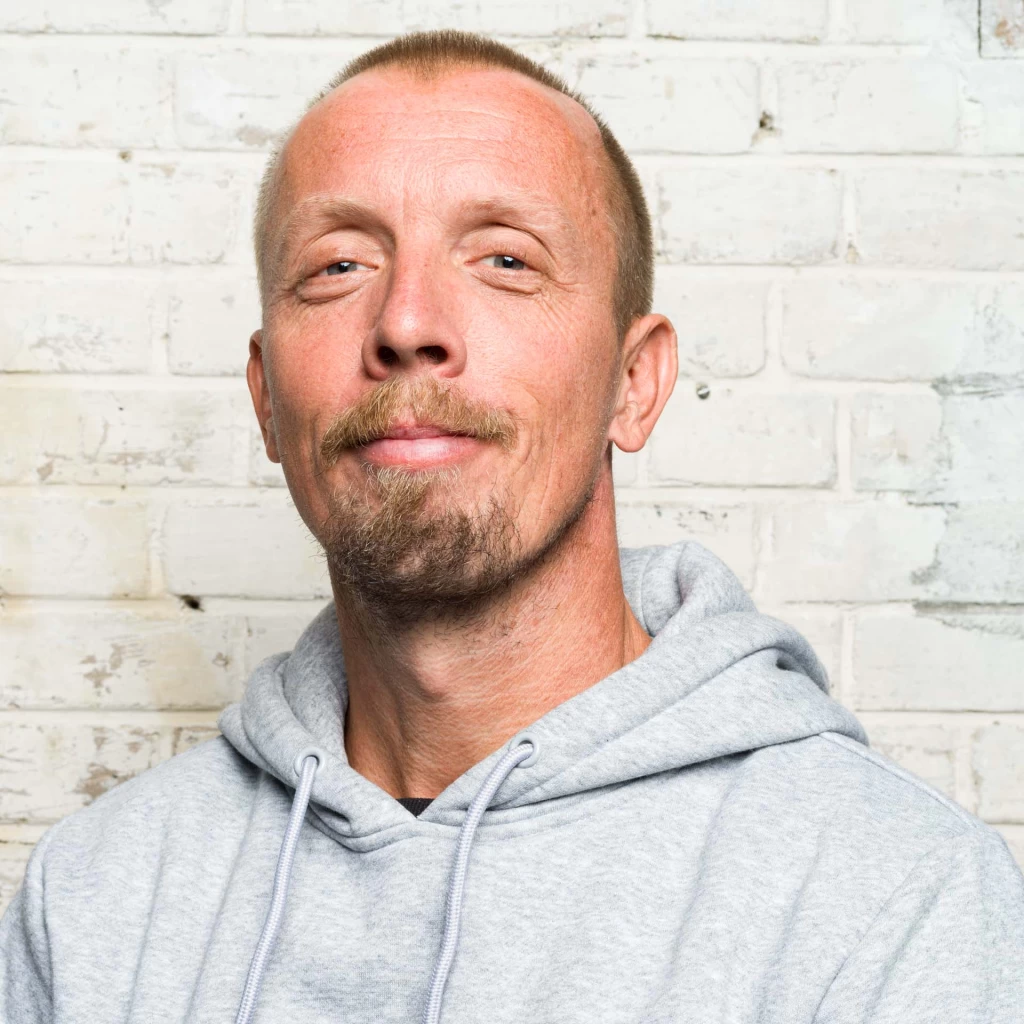
 Björn «BUZ» Meier, *1973, breakt seit 35 Jahren. Buz nimmt regelmässig an Breakdance Veranstaltungen im In- und Ausland teil, führt seit 15 Jahren die Breakdanceschule breakingschool.ch und leitet Workshops u.a. für Kinder mit Beeinträchtigungen – in der Kinder- und Jugendpsychiatrie, im Jugendgefängnis, an Schulen im In- und Ausland. Er ist Gründer und Leiter des autonomen Breaking Training im Jugendkulturhaus Dynamo Zürich. Künstlerisch arbeitete er mit MIR Compagnie, dem Jungen Schauspielhaus Zürich, für Breakthetango, BEST-Bündner Schultheater am Theater Chur, mit der DPC Crew war er Finalist bei Stadt Land Talent. 2021 künstlerische Leitung der Tanztheaterproduktion KETTEN: sprengen, 2021-2023 Programmgruppe und Workshopleiter bei fanfaluca – Jugend Theater Tanz Festival Schweiz.
 © Malco Messerli 8lines GmbH | Björn «BUZ» Meier
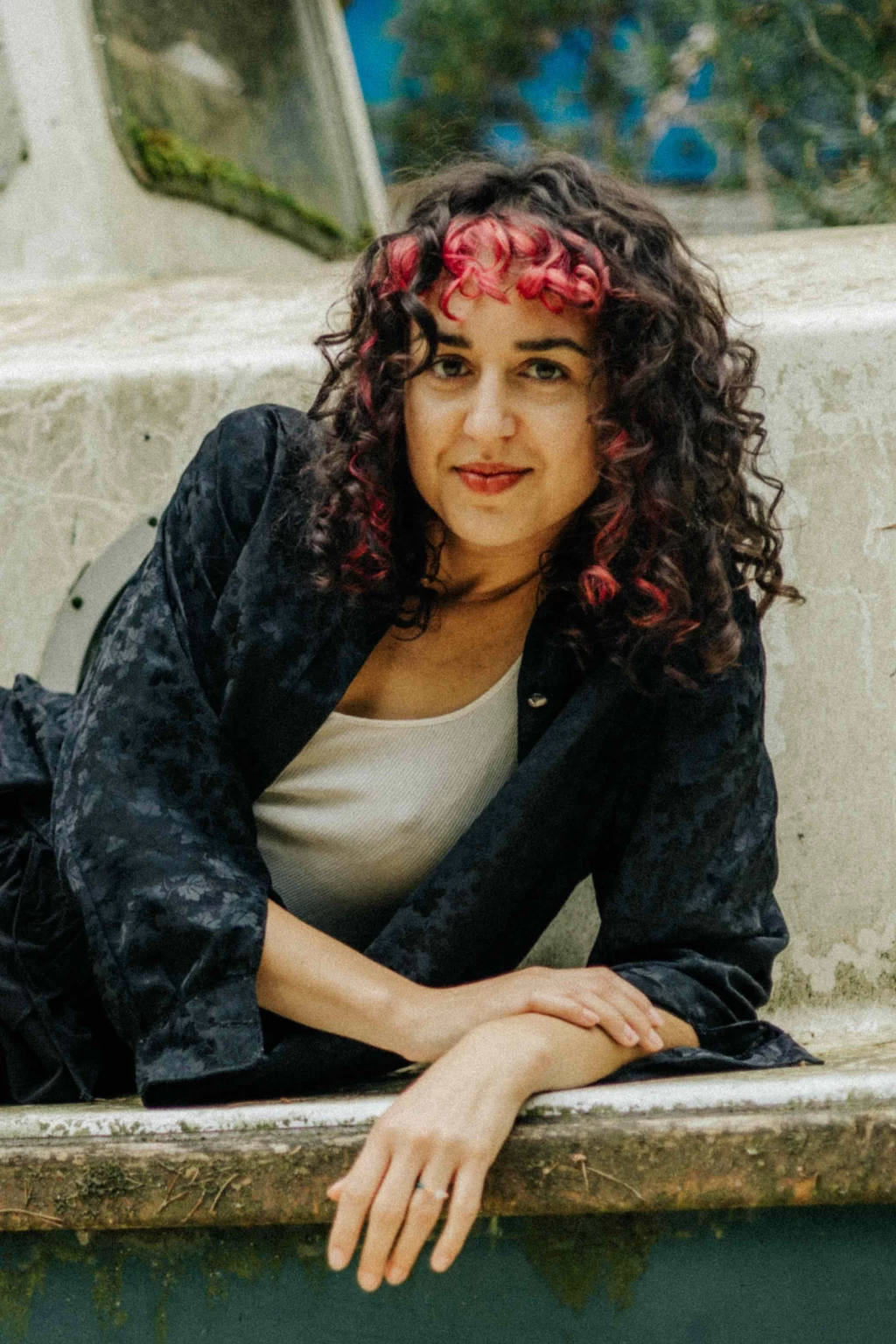
 Donya Speaks is a dancer and theatre maker from Bern and Tunis. In her artistic practice, she creates a living dialogue between language and body and their interweaving. In Bis zum Ende des Regens (Until the End of the Rain), she engaged with the Arabic poetry of her uncle as well as the freedom of movement between North Africa and Europe. In POETIK P, she developed a conversation with artists from Switzerland, Rwanda, and the Congo about sexuality/sexualities and the ongoing sexualization of their bodies. Through her interdisciplinary and international collaborations, she deliberately creates a diversity of perspectives and questions Eurocentric claims to interpretive authority. A central concern of her work is the creation of de-hierarchized stage spaces in which collective responsibility is negotiated. Fête Finale is her first solo project. In it, she deepens her interest in the performative role of the «host», who on the one hand moderates and on the other uses her own body as an instrument to negotiate the themes at hand. With this project, she challenges herself and addresses death – a reality for which we often lack the words. Donya Speaks studied at the Accademia Dimitri, the Justus Liebig University Giessen, and the Zurich University of the Arts.
 © Manu
 Ikue Nakagawa is a Japanese choreographer, dancer, actress, and illustrator based in Brussels. Each of her choreographic projects is inspired by her drawings, acting as a way to observe herself in daily life and access her inner worlds by breaking free from the limits of the body, before initiating the creative process. She has created three solos: the first two featuring life-size puppets — NAKAMI (2021) at Teatro Pradillo in Madrid, and TAMANEGI (2022) at Les Brigittines in Brussels (winner of the 2023 Prix de la Grande Scène) — and KUROKO, which premiered in March 2025 at Cndc Angers. She is currently working on Nikki, a new creation on relationships, scheduled for the 2027/2028 season.
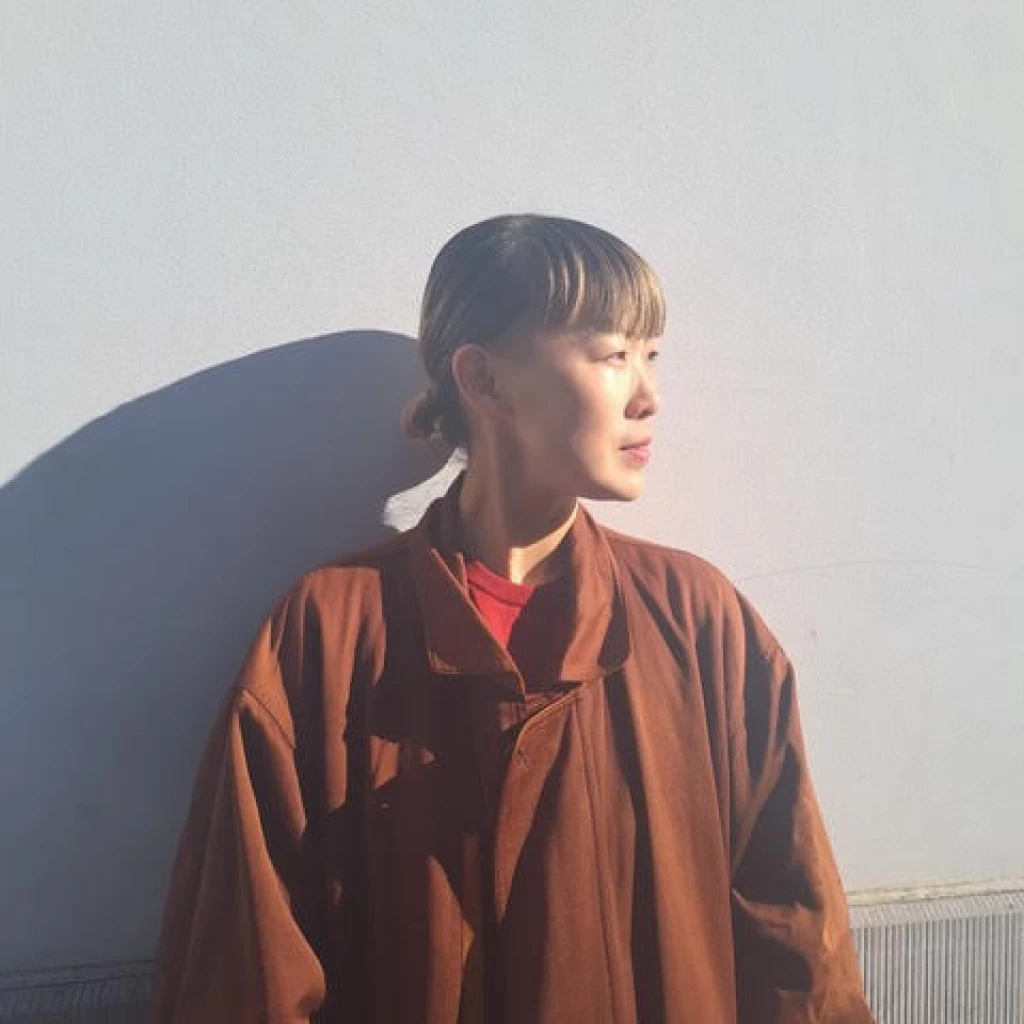 © Moë
© Moë compagnie O. is a Zurich-based dance company, founded in 2017 by Marie Alexis – a neurodiverse group under neurodivergent leadership and a creative meeting place for artists from various disciplines. Inspired by personal and social themes, the company’s works create space for aesthetic experience, reflection and association – artistic practice as “thinking in motion”. At its centre stands currently MULTIVERSE | atypical perspectives, a multi-year research project on neurodivergent relationships to the world.
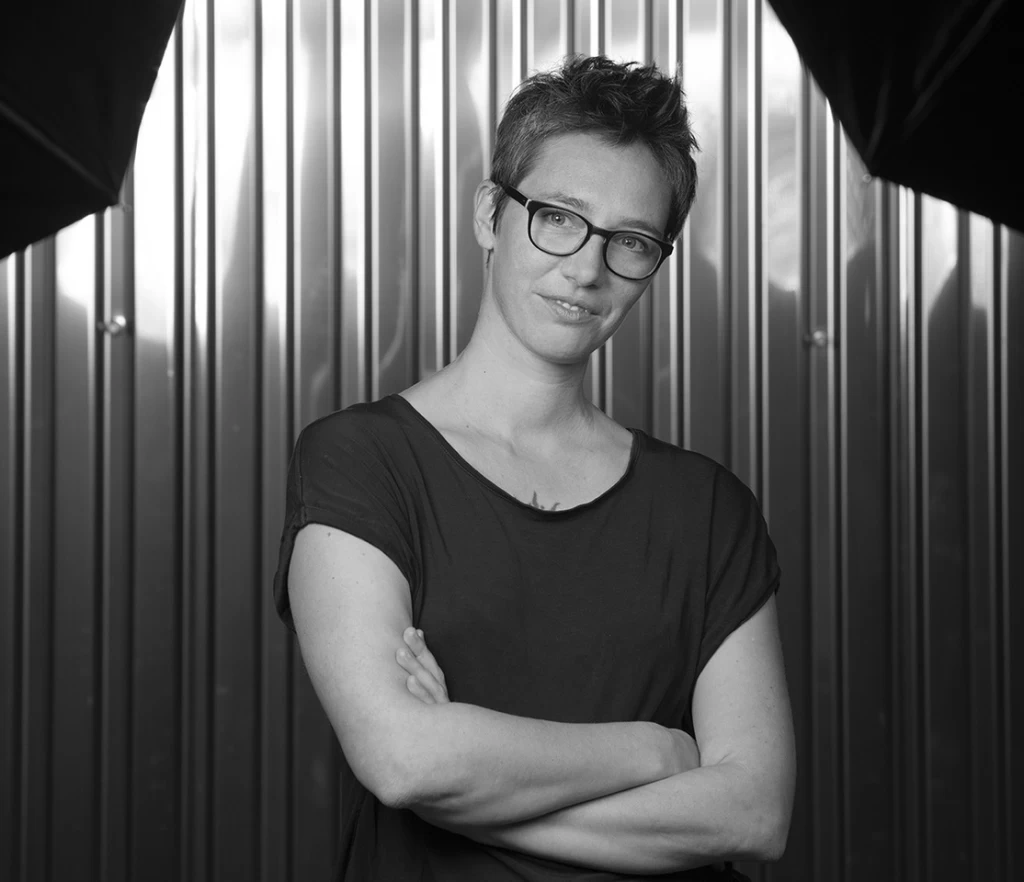 © Caroline Minjolle | Marie Alexis
 Guest 26/27
Every year, artasfoundation initiates and runs several art projects with people in regions affected by war or violent conflict, together with artists and local partner organisations. It also supports mediation processes through artistic interventions and connects initiatives internationally.
Bast Hippocrate is a Swiss, Afro-descendant, queer artist from a second-generation immigrant family. His work stages raw, magnetic bodies, connecting vulnerability and physicality with social and interpersonal themes. His approach is rooted in autofiction – art built from his own life experience. He explores human relationships and shows how personal stories can resonate collectively, bridging the personal and the political.
After an autodidactic path, he completed his Bachelor’s degree at La Manufacture HES-SO Lausanne in 2019. His works, including LoveLettersOrNot (2021) and Joyaux Lourdement Sous-estimés (2025), explore intimacy, complex relationships, and personal trauma with tenderness and intensity.
He regularly collaborates with artists such as Géraldine Chollet, Simone Aughterlony, and Valerie Reding, creating spaces for sharing and listening where bodies become places of connection.
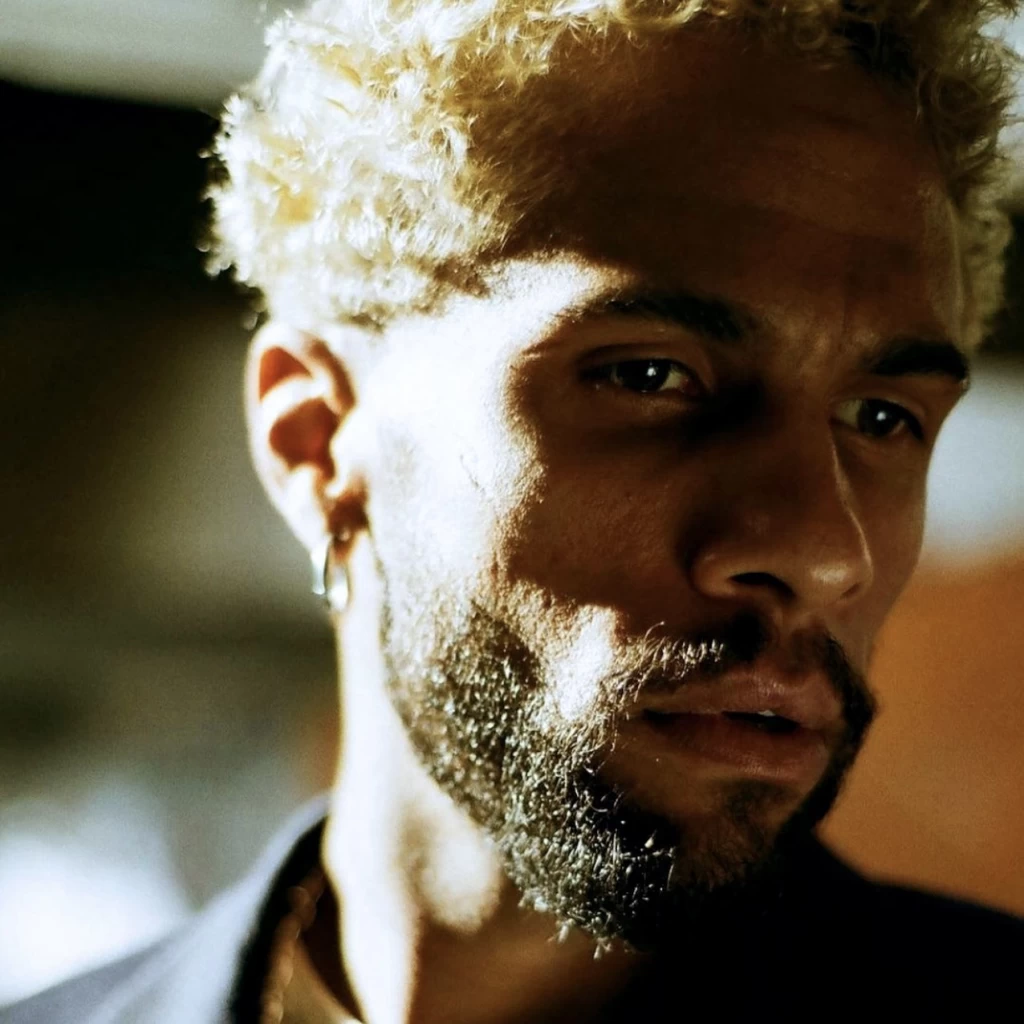 © Emilie Mercier
 Charlotte is a performer, choreographer and dramaturge. She studied contemporary dance at the Amsterdam University of the Arts and worked as a performer and choreographer for several years after graduating. In 2020, Charlotte moved back to Zürich and completed her master’s degree in dramaturgy at the Zürich University of the Arts. Since then she has started working as a dramaturge in the independent scene.
As a dramaturg, choreographer and performer, Charlotte is concerned with interweaving feminist practice, dramaturgical thinking and artistic work. Curiosity, desire and anger are driving forces in her artistic processes.
Charlotte was selected for the newcomer platform Show-Off at Tanzhaus Zürich in 2022, took part in the choreography program ATLAS during Impulstanz in 2023 with a scholarship from Pro Helvetia and was part of PREMIO in 2024. As part of her accomplice-ship at Tanzhaus from 2024 to 2026, Charlotte is developing her first full-length stage work night body night voice in collaboration with Marquis’ Mc Gee, Lilli Unger, Jo/Joseph/Josephine Baan and other collaborators. Since 2024, she has also been co-director of the Zirkusquartier Zürich, a theater dedicated to contemporary circus.
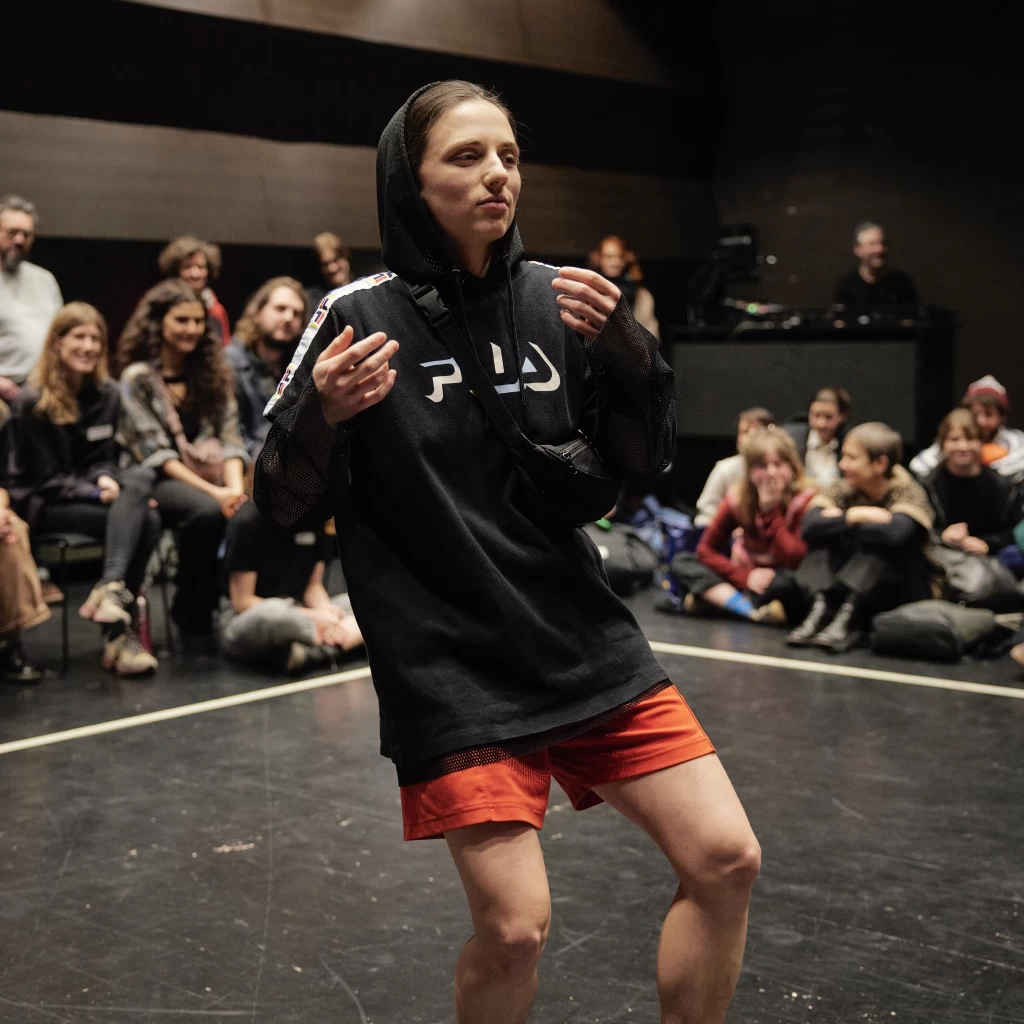
Dino Brandão is a Swiss‑Angolan singer, songwriter, producer and performer who fuses pop, folk, experimental and electronic sound worlds. Hybridity, playfulness and imperfection drive his practice. On stage, he treats body, voice and presence as instruments, blurring the line between musician and performer. Concerts shift from intimate acoustic moments to expansive, theatrical soundscapes. He self‑produced the solo album Self‑Inclusion (2024) and has toured internationally. In 2020 he released Ich liebe dich with Sophie Hunger and Faber under the name Brandão Faber Hunger. Dino describes his identity as “simultaneous” – Luanda and Brugg, flight and fall, the good knee and the broken one – turning personal anomalies into a bittersweet musical homage. Even when he tackles serious, layered subjects, his songs remain accessible; they showcase his joy for musical experimentation, packaging emotions in a straightforward, unadorned style that mirrors the way he talks about them and processes the world around him.
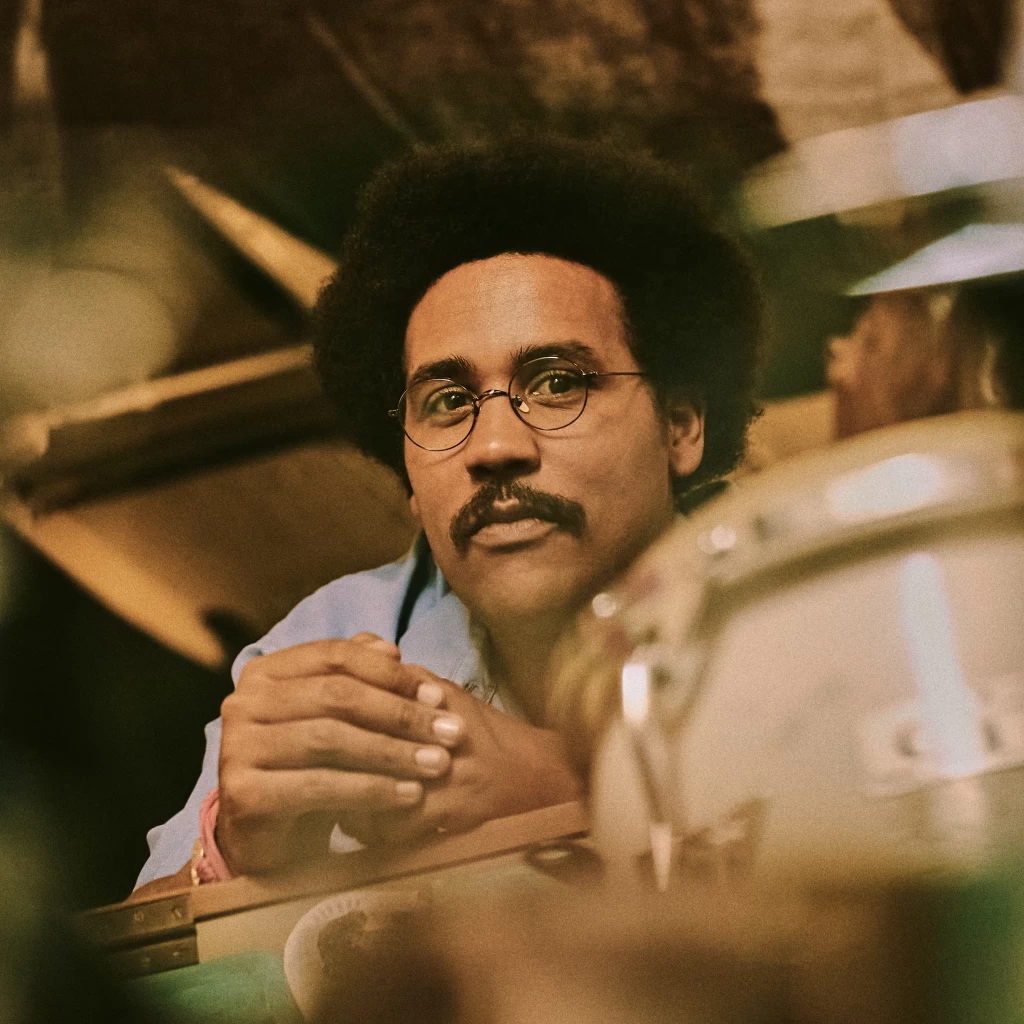
Born and raised in Brazil, HAUSVRAU is a trans non-binary artist, curator, and activist with a diverse background and a desire to connect. Intertwined with over ten years of dance experience and a career as a painter, HAUSVRAU also serves as a DJ, musician, drag performer, host, model, and dance/performance coach. From 2019 to 2023, she co-organised a rave label in Zürich called FAGDOM, which focused on the socio-political issues of queer migrant communities in Switzerland, where she also began her career as a host, DJ, and nightclub performer. Her experience producing events also propelled her to become a prominent figure in the Swiss ballroom scene, and she is a proud member of the House of Saint Laurent. In 2021, she co-founded the Trans Safety Emergency Fund, an organisation that provides financial support to trans people worldwide. She authored a book for the fund in 2024 and continues to volunteer with the institution.
In parallel, she is a resident DJ and booker/curator at Palais Mascotte in Zürich, Switzerland, and a master’s student in the Contemporary Arts Practice program at the Bern University of the Arts. HAUSVRAU aims to combine her painting, dance experience, and overall theatre-kid energy with her creative compositional process, which involves DJing, soundscapes, drag, text, performance, live vocals, publications, and installations, ensuring that these elements always carry a political message of liberation for the communities she represents.
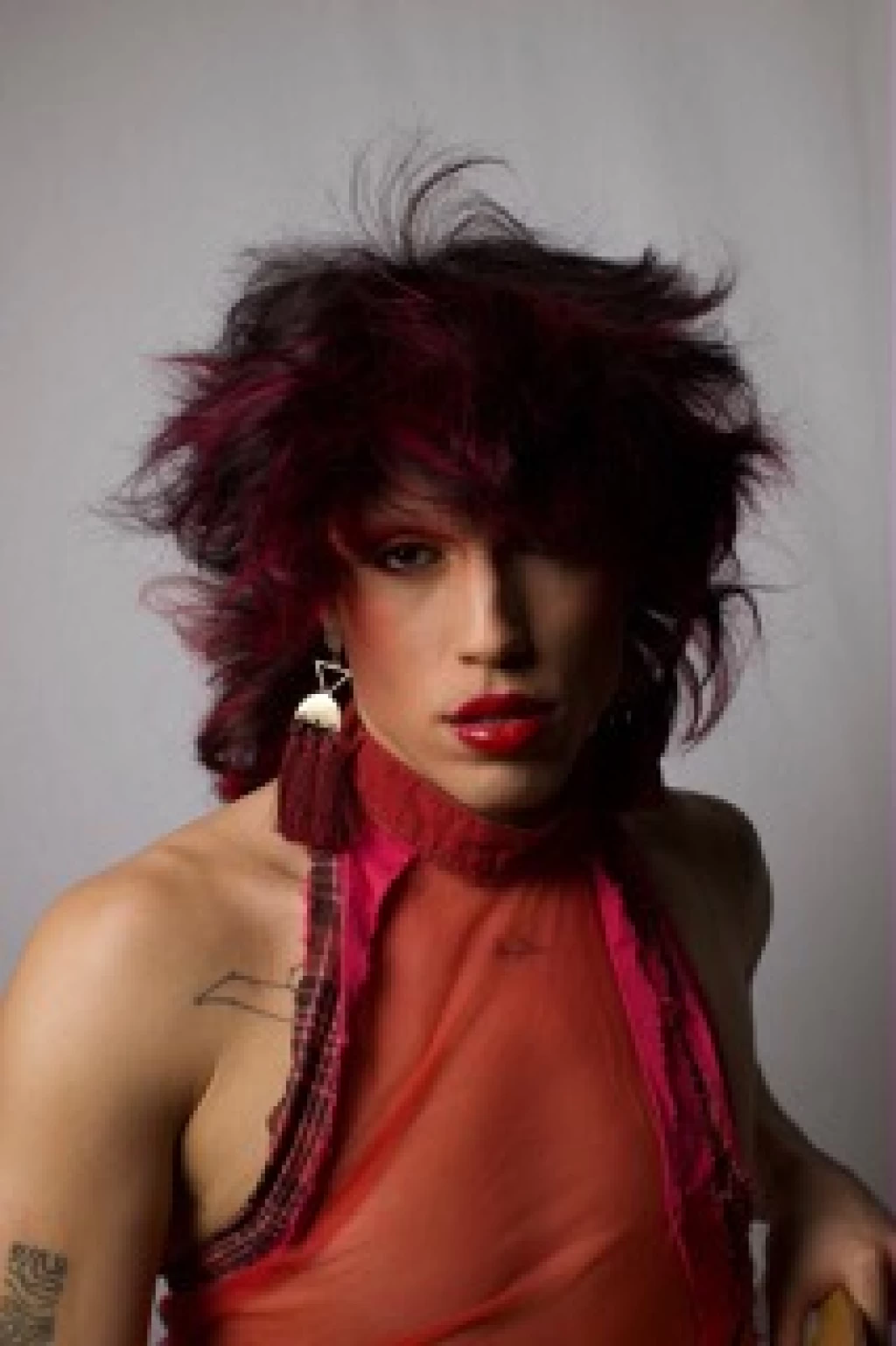
Kymbali Williams is a multi-instrumentalist producer, composer, and interdisciplinary performance maker based between Estonia and Switzerland. Her practice explores the intersections of sound, movement, and audiovisual space, weaving together voice, lamentation, memory, and intercultural performance.
Central to her work are performative audio walks—site-specific aural performances that guide participants through urban landscapes via spoken word and multi-genre soundscapes. Rooted in psychogeography and embodiment research, these walks operate as a form of singing people through a city, transforming pedestrian routes into intimate listening experiences.
Lyn Bentschik works as a crip queer choreographer, (long-term) performer and dramaturg. In 2015, Lyn Bentschik completed a BA in Contemporary Dance and Performance at Uniarts Stockholm and an MA Dance Praxis Choreography at ZHdK. Lyn Bentschik’s work explores the intersections of dance, expanded choreography, performance and visual art. In 2025/26, Lyn Bentschik is TanzPlan Ost Associated Artist, developing a group piece on the subject of chronic pain.
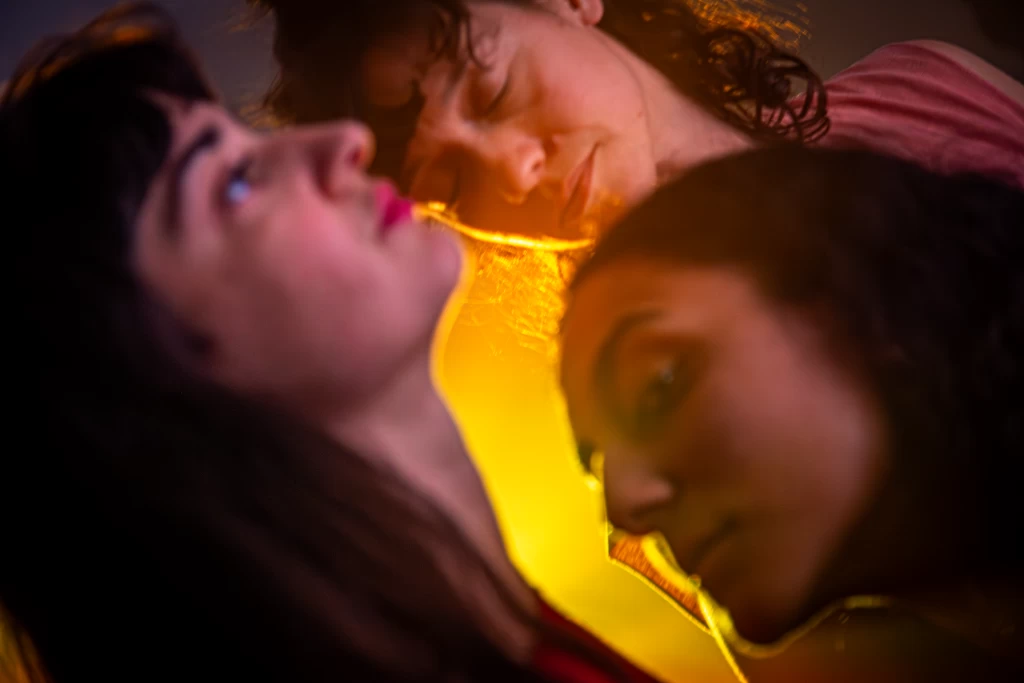 © Alun Meyerhans
 Maureen Zollinger is a dancer and performer based in Zurich/Winterthur. She studied contemporary stage dance at the IWANSON International School in Munich and deepened her practice in the postgraduate NIMBLE project. She also trained in Environmental Somatics with Katja Münker-Harder in Berlin, which shapes her work with body awareness, movement, and environmental relationships. Since 2020 she has worked with various choreographers, including Lee Mingwei, Franz Erhard Walther, Lea Moro, Andrea Boll, Marie Alexis, Jamuna Mirjam Zweifel, and Tanzhaus Accomplice Aly Khamees. She continually develops her artistic research with voice and applies this in her own performances.
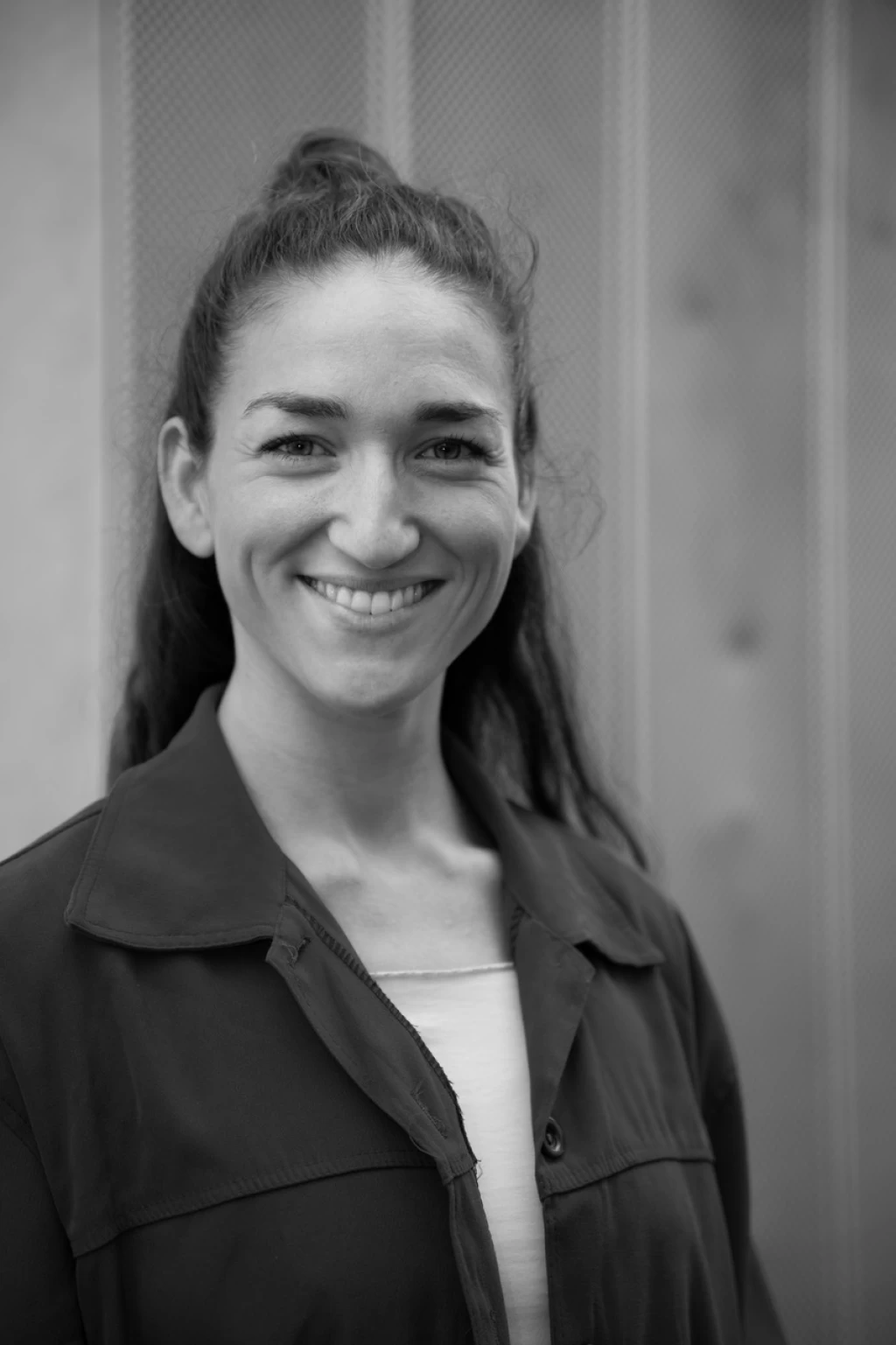 © Birgit Mantek | Maureen Zollinger
 Noa Winter (no pronouns) is a curator, dance and performance dramaturg, and access expert whose work brings together anti-ableist practices, empowerment, and Aesthetics of Access. Selected projects include co-directing the Berlin-based network project Making a Difference (2020–2024), curating the festival Queering the Crip, Cripping the Queer (2022), and collaborations with Liz Rosenfeld (URSA-X) and Rita Mazza (Matters of Rhythm, The Voice). Since the 2024/25 season, Winter has been working as a dramaturg at Gessnerallee in Zurich and is part of the expert pool of ZAK – Zürich Access Kultur.
ZAK – Zürich Access Kultur is a contact point that supports Zurich’s cultural sector in reducing barriers and offers workshops, inputs, and consultations on disability across all artistic disciplines.
Company Rebecca Weingartner is known for its sensitive engagement with social issues. With GUGUS!, it creates a space where young and adult audiences alike can let go and join in. This completes the company’s celebrated dance trilogy for young audiences. EQUALITY! explored gender equality. SOLIDARITY! celebrated social diversity. GUGUS! now takes a fresh, idiosyncratic look at freedom. The trilogy is currently on tour.
 © Marc Doradzillo
 Simea Cavelti is a dancer, choreographer and dance educator. Since completing a BA at the London Contemporary Dance School, Simea Cavelti has worked with, among others, Fabrice Mazliah, Simon McBurney, Samar Haddad King, Declan Whitaker, Omar Ghayatt, Johanna Heusser, Lena Schattenberg, Bassam Abou Diab, Fritz Hauser and Adrian Pepe. Simea Cavelti has lived and worked in Switzerland and Lebanon since 2015, where choreographic works by Simea Cavelti have been shown as part of the Tanzfaktor RESO 2024 Swiss tour, at Sursock Museum and at Zoukak Theatre in Beirut, among others. Simea Cavelti is Associated Artist 25/26 of TanzPlan Ost. Simea Cavelti expands the boundaries of dance as a means of connection, self-observation, discovery and confrontation.
 © Milena Keller
 Sophía Rodríguez (1984, she/her) is a Venezuelan-Belgian actor, dancer, choreographer and circus artist. In Rodríguez’s artistic work, physical performance, embodied knowledge, voice and improvisation serve as building blocks for energetic, feminist and critical performances that always exist on the borders between disciplines. Since 2001, Rodríguez has been teaching, performing and creating internationally.
Rodríguez’s solo Ostentation (2020) explores the layers of meaning generated by (female) bodies in physical and social spaces within capitalist societies. The piece was selected for Bâtard Festival and for the 2020 editions of NEXT Festival and ImPulsTanz. In 2023, Friction, Rodríguez’s first ensemble work, premiered. It was presented at Toneelhuis, VIERNULVIER, BUDA, Charleroi Danse and Festival de la Cité (CH), and will continue touring, including at the New Europe International Festival in Warsaw.